Mileage
Mileage
Mileage terms if your policy started before 10/09/2025
We will monitor your mileage on an annual basis. Ensure you add enough mileage on your policy to last for the full year. However, if you haven’t done so, or you are not sure do not hesitate to get in touch.
The maximum allowance for mileage is 30000 per policy year. If you are predicted to exceed, we will notify you via email prior to exceeding. Please make sure you top up your mileage otherwise you could be at risk of cancellation. You could purchase more miles on the Customer Portal or by calling us on 0208 629 3308. We are open Monday to Saturday 9:00 am to 5:30 pm.
Mileage terms if your policy started on, or after 10/09/2025
We will monitor your mileage on an annual basis and if we suspect that you will either exceed your mileage allowance or you are predicted to exceed your allowance by double within the first 50 days of your policy, we will contact you to make you aware. If you are not topping up your mileage you could be at risk of cancellation.
IMPORTANT: If you are predicted to exceed your allowance by double within the first 50 days, you will then need to top up your mileage by at least 50% of the number of miles that you expected to exceed your annual mileage allowance by otherwise your policy will be cancelled.
EXAMPLE: If you have selected 10000 miles and are predicted to drive 15000 miles, this will mean you will exceed your annual mileage by 5000 miles, so you will need to top up by at least 2500 miles.
You can top up by either calling us on 0208 629 3308 or by using the Customer Portal. Each time you do top up your miles you will be charged a non-refundable administration fee on top of any additional premium that will need to be paid.
The maximum mileage limit for any one period of Insurance is 30000 miles.
Telematics explained
Telematics explained
Why Your Telematics device is Your Best Driving Buddy
Getting your driving licence is a huge achievement — and with it comes the freedom and independence of the open road! As a Carrot Insurance Services Telematics customer, you might be wondering what it’s all about. Good news: this little device can be a big win for your safety and your driving confidence.
What’s a Telematics device Anyway?
A Telematics device (also known as a black box, hardfitted device or a self install device) is a small gadget installed in your car that tracks how you drive — like journey speeds and distance. As such, it can help you become a safer, more confident driver.
Top Benefits of Having a Telematics device
Here’s why embracing your Telematics device can be a smart move:
- No Claims Bonus – Each year you drive claim-free, you build up a bonus that can reduce your insurance costs even more.
- Peace of Mind: Monitoring encourages safer driving and can help locate your car if stolen
- No charging required – Our self install (Theo) device is solar-powered (and we’ll send you a power bank if needed). Got an IMS device? It’s hardwired — no charging required!
- How to Get the Most Out of Your Telematics device
To unlock all the benefits, keep these tips in mind:
- Drive Smoothly – Avoid harsh braking and rapid acceleration.
- Stick to Speed Limits – Safe speeds = better scores.
- Stay Within Your Mileage – Your mileage limit is set up front, so monitor it closely.
- Keep the Device Connected – Make sure your Telematics device is always active and transmitting.
- Drive at the right time – Driving late at night can negatively affect your driving score.
- Report Issues Promptly – If something’s not right, let us know straight away.
A Quick Word on Tampering: Just Don’t
We get it — some drivers might be tempted to interfere with their Telematics device if you’re driving late or night or with friends. But here’s why that’s a bad idea:
- It’s Illegal – Using jammers or tampering with the device can lead to fines, penalty points, or worse
- Policy Cancellation – If we detect tampering, your policy will be cancelled immediately — leaving you uninsured.
- Safety First – The Telematics device helps protect you and others on the road. Tampering puts that at risk.
Final Thoughts: Your Telematics device is on Your Side
Think of your Telematics device as your digital driving buddy, it’s not about restrictions, it’s always there to support you, cheer you on, and help you drive smarter.
It’s essential your Telematics device stays connected and active. If it stops transmitting data for any reason, your policy will be automatically cancelled — and we’ll let you know right away by phone and email. So, keep your device running smoothly and enjoy the journey with confidence!
If you have any further questions or if your Telematics device stops working, please don’t hesitate to contact our Carrot Insurance Services team for support on 0208 629 3308.
If you have any further questions, check out our FAQ’s
Self install (Theo)
Self install (Theo)
Carrot Insurance services offer a self-installation device called Theo. The Theo device is a solar powered device with a built-in battery that gets its power from the sun. If you are appointed the Theo device through your telematics policy, you will be required to install the device and cradle within 48 hours of receiving. To install the Theo, you will need to attach the device onto your cradle and place the cradle on your windscreen following the instructions provided by ThingCo, the telematics provider.
Installation
- To get started, your Telematics Tracking Device (Theo) will be posted to you through recorded delivery.
- You must install your device in your car and activate it within 48 hours (2 days) from receiving your device. If you are unable to install and activate the tracking device within this time, your policy will be cancelled.
- You will receive set up instructions from Theo on behalf of Carrot, please make sure you follow them carefully as you will need to connect your device to the Better Driver by Acorn App.
- The Telematics Tracking Device (Theo) can be installed into all vehicles.
Things to remember
- Please do not remove the device from your car unless we instruct you to do so.
- If you change your car, you must keep the device, and a replacement cradle will be posted to you. You must reinstall the tracking device in your car and activate it within 48 hours of receiving the replacement cradle.
- It is your responsibility to ensure that any other party who has an interest in the ownership of your car (such as your partner or a hire purchase company) has agreed that the device can be installed.

How We Monitor Your Driving
We will monitor your driving behaviour through your telematics tracking device and look at factors such as:
Time of Day
There are certain circumstances which may lower your driving score as there is a greater risk of potential accidents. For example:
- The period after midnight to the early hours of the morning is the highest risk zone.
- The midweek commuting periods are also high risk based on the potential number of accidents that can happen, if you are also driving this time at high speeds, this will lower your driving score.
Driving Duration
Trips which involve more than 2 hours continuous driving can greatly increase the risk of serious accidents. This can be caused by things like tiredness and lack of concentration. Your driving score will decrease for every trip that you drive for 2 hours or more.
Speeding
Your speeding score is based on the number of times your actual speed exceeds the speed limit specified for road types. Exceeding the limit will lower your score regardless, but exceeding on a country lane will bring your score down more than if you were driving on a motorway, for example.
Eco Driving
Eco Driving can be defined in many different ways. We are measuring this by combining certain driving behaviours (forms of acceleration) into a simple score. You score will be determined by three different behaviours:
- Speeding-up
- Braking, and
- Cornering
Top Up Miles (TUMs)
We will monitor your mileage on an annual basis and if we suspect that you will go over your allowance, we will let you know before this happens to ask you to top up your mileage. You can do this by either calling in on 0208 629 3308 or through our customer portal. The maximum mileage limit for any one period of Insurance is 30,000 miles.
Cancellation of Your Policy
There are some circumstances that you need to be aware of, which may mean your policy will be cancelled. See the below for some of the key terms however, you will need to read your Policy Booklet for further information.
- Tampering/Alterations: If, during the monitoring of data, we suspect that there has been unauthorised interference with your device or any interference with the GPS/GSM signal emitted, your policy will be cancelled. Please refer to the Tampering/Alterations section of your Policy Booklet for further details.
- Exceeding your allocated annual mileage allowance
- Excessive Speeding
- Poor Driving Score
- If we detect that your car is consistently parked away from the declared overnight parking address
- If you remove the telematics tracking device from your car without a prior instruction from us or the Telematics Provider
- You do not have your mobile device with you, or it is turned off during a journey, or the Better Driver by Acorn App is uninstalled.
Financial help
Financial Help
Do you need help with your financial circumstances?
We understand that many of our customers may be experiencing financial difficulties and other uncertainties. We are here to help our customers through difficult times, so if you are paying for your annual premium by monthly instalments through Granite Finance, we have highlighted some of the support options that may be available to you.
Spread the cost of your monthly instalment
If you have missed a payment and need a bit more time to pay, you may be able to split your missed payment into 3 weekly instalments or pay half now and half next week.
To find out more about this option, please click here for more details.
Change your Direct Debit date
You may find that changing your monthly instalments to a more suitable date helps you manage your payments. Please click here to get more details.
If you require additional support, Granite Finance may be able to provide you with a more tailored solution specific to your personal circumstances. To discuss your options, please contact them on 01704 336 857 or click on the chat symbol in the bottom right of the screen to speak with one of the team. Alternatively, you can email them at info@granitefinance.co.uk.
Other debt help and guidance
If you are experiencing any financial difficulties, you could get free, non-judgmental and independent help and advice from several organisations, including:
Money Helper’s Debt Advice Locator Tool: www.moneyhelper.org.uk/debt-advice-locator or contact them on 0800 138 7777. StepChange Debt Charity For debt advice throughout the UK, phone 0800 138 1111 or visit www.stepchange.org.
Citizens Advice For advice and information on debt and other topics, visit your local Citizens Advice or go to www.citizensadvice.org.uk.
Uncategorised
What do I need to do when the installation technician comes to fit my black box?
Before the appointment the engineer will get in touch to let you know when to expect them.
When they arrive just hand over your car keys so they can fit the black box. They’ll also take some photographs of your car and check its roadworthiness. Finally they’ll check that there aren’t any modifications to your car, as we can’t insure any car that has been modified.
It usually takes just under an hour, and can be done at a location of your choice – so no need to take the day off work!
How do I get my proof of ‘no claims’ if I don’t renew?
We will email this to you. If you don’t receive it in a few days, get in touch with us on 0208 629 3308.
Policy documents
Documents and IPIDs
Policy Documents
Click the links below to access and review these documents.
Private Car Telematics
For customers with a policy number starting with HVNTDCR or HVNYDCR and with cover start date from 06/08/2024:
Private Car Telematics Plus version 4.7
For customers with a policy number starting with HVNTDCR or HVNYDCR and with cover start date from 30/06/2024:
Private Car Telematics Plus version 4.6
For customers with a policy number starting with HVNTDCR or HVNYDCR and with cover start date up to 29/06/2024:
Private Car Telematics Plus version 4.5
For policies with cover start date after 15/09/2023:
Private Car Telematics version 4.3
For policies with cover start date between 01/06/2023 and 14/09/2023:
Private Car Telematics version 4.2
Safe Driver
For policies with cover start date after 15/09/2023:
Safe Driver version 1.3
For policies with cover start date between 01/06/2023 and 14/09/2023:
Safe Driver version 1.2
IPIDs
Private Car Telematics
For policies with cover start date after 15/09/2023:
IPID — Private Car Telematics version 2.2
For policies with cover start date between 01/06/2023 and 14/09/2023:
IPID — Private Car Telematics version 2.1
Private Car Telematics Plus
For customers with a policy number starting with HVNTDCR or HVNYDCR with a cover start date after 06/08/2024:
IPID — Private Car Telematics Plus 2.6
For customers with a policy number starting with HVNTDCR or HVNYDCR with a cover start date after 30/06/2024:
IPID — Private Car Telematics Plus 2.5
For customers with a policy number starting with HVNTDCR or HVNYDCR with a cover start date between 14/05/2024 and 30/06/2024:
IPID — Private Car Telematics Plus 2.4
For customers with a policy number starting with HVNTDCR or HVNYDCR with a cover start date between 25/01/2023 and 14/05/2024:
IPID — Private Car Telematics Plus 2.3
For customers with a policy number starting with HVNTDCR or HVNYDCR with a cover start date between 03/08/2023 and 25/01/2023:
IPID — Private Car Telematics Plus 2.2
For customers with a policy number starting with HVNTDCR or HVNYDCR with a cover start date between 31/07/2023 and 03/08/2023:
IPID — Private Car Telematics Plus 2.1
For customers with a policy number starting with HVNTDCR or HVNYDCR with a cover start date between 02/05/2023 and 31/07/2023:
IPID — Private Car Telematics Plus 2.0
Safe Driver
For policies with cover start date after 01/06/2023:
IPID — Safe Driver version 1.2
Previous version:
IPID — Safe Driver version 1.1
Additional Documents
Breakdown Cover
Breakdown Policy Wording
IPID — Breakdown Gold
IPID — Breakdown Silver
IPID — Breakdown Bronze
For customers with a policy number starting with HVNTDCR or HVNYDCR:
For policies with cover start date up to: 29/06/2024
PC Breakdown National Booklet
PC Breakdown National IPID
PC Breakdown EU booklet
PC Breakdown EU IPID
For policies with cover start date from: 30/06/2024
Breakdown Cover Policy Booklet
Breakdown Cover IPID
Key Cover
For policies with cover start date from: 28/10/25
Key Cover Policy Wording
IPID — Key Cover
For policies with cover start date from: 01/09/24
Key Cover Policy Wording
IPID — Key Cover
For policies with cover start date up to: 31/08/24
Key Cover Policy Wording
IPID — Key Cover
For customers with a policy number starting with HVNTDCR or HVNYDCR:
KeyCare Cover Booklet
KeyCare Cover IPID
Replacement Vehicle
Replacement Vehicle Policy Wording
IPID — Replacement Vehicle
Motor Legal Protection
Motor Legal Protection Policy Wording
IPID — Motor Legal Protection
Excess Reimbursement
For customers with a policy number starting with HVNTDCR or HVNYDCR:
Excess Reimbursement Booklet
Excess Reimbursement IPID
No Claims Bonus
Complaints
I would like to log a complaint
Carrot Insurance Services will do its best to provide you with a high level of service and customer care every time. However, sometimes things can go wrong, and we may fail to meet your expectations. Our internal complaints procedures allow us to deal with complaints fairly, effectively and promptly. If you think we have let you down, please tell us why.
Our internal complaints procedure
Our internal complaints handling procedures follow the guidelines of the Financial Conduct Authority (FCA) as set out in their handbook.
What you need to do if you have a complaint
We are keen to keep all of our customers happy, so please contact usdirectly if you have a complaint. We will always welcome your feedback and will aim to put things right for you.
You should raise your complaint with us by web chat, email or letter to:
Email us: complaint@carrotinsurance.com
Postal Address: Complaints, Carrot Insurance Services, 98 Liverpool Road, Formby, Liverpool, Merseyside, L37 6BS
How we will handle your complaint
We will:
- Endeavour to resolve your complaint as quickly as possible
- Acknowledge your complaint promptly and in writing
- Advise you of the person dealing with your complaint and how you can contact them
- Provide a final response to your complaint within 8 weeks of receipt
If we cannot reach a resolution
If you are dissatisfied with our response, you can refer your complaint to the Financial Ombudsman Service (FOS).
The Financial Ombudsman Service,
Exchange Tower, London,
E14 9SR
Tel: 0800 023 4567
Online: financial-ombudsman.org.uk
Thinking of joining
Why don’t Carrot offer cover for modified cars?
No doubt about it, negotiating your first year of driving is tough, and sometimes it’s easy to fall into the trap of buying a modified car.
Ask most people what they consider to be a modification and the answer you’ll receive is ‘huge spoilers and blacked out windows’. Both correct, but a modification is any change to a vehicle that wasn’t part of the original specification, like non-standard alloys, stereos and even stickers.
Purchasing a modified car can cause problems further down the line, such as invalidated insurance – and no one wants that.
Other problems owners of modified cars can face are:
- DIY modification projects can make the vehicle unsafe to drive
- Performance-enhancing aspects of a car can cause more damage in a crash, putting you at higher risk of injury
- Heavily modified cars are prime targets for thieves (and vandals, sadly)
These problems mean modified cars are a no-go for a lot of insurance companies (us included) and it’s good to know before you buy your first car, or any used car, what to look for to avoid any nasty surprises when your box is fitted.
First, look for the obvious. Are the wheels a different make to the vehicle itself? Do the alloys look painted or overly large? Can you see through all the windows to look inside the car?
Granted not all modifications are as easy to spot, but if something doesn’t seem quite right to you feel free to ask the owner or garage you’re planning to purchase the car from. If you aren’t able to do that you can always head to trusty Google! Search the spec of vehicle you’re looking to buy and see – do the images reflect the car you’re looking at buying?
If you’ve checked all of the above, but you’re still unsure, get in touch and we’ll be happy to assist.
What do our customers think about our service?
Click below to read some of our reviews, or, if you’re an existing customer, why not get in touch and give us some feedback on your experience so far.
Decided you want to go ahead with our policy?
If you’re applying for black box or smartphone app based insurance with us, make sure you give full, accurate and honest answers to all our questions so we can provide you with an accurate quote. Some info you’ll need to have handy:
- The registration or the make and model of the car you want to insure
- Double check whether it’s been modified inside or outside in anyway
- How many miles per year you think/know you’ll be driving
- Where the car will usually be kept overnight
- Confirmation that you’ll be the main driver of the car
- Whether you’re a student or you work, in which case we’ll need to know what your job is
- Any named driver details such as DOB, date they passed their test and any penalty points they may have
What documents do you need to provide Carrot with?
- Once you’ve bought your policy, you’ll need to send us the following documents so we can validate your information:
- A picture of your full/provisional driving licence (both front and back)
- Proof of any no claims discount (NCD) you might have built up
How you can send this stuff to us
- Send a screenshot, PDF, or photo to us through our online form.
If you’d like to chat to someone about your query, get in touch on Web Chat during opening hours.
Driving Score
All about your Driving Score
The telematics device is recording mileage, speed, smoothness and usage. Here is everything you need to know about the driving score
Mileage – the telematics device records the mileage on an annual basis and if you are due to exceed you annual allowance we will notify you prior to it.
Speed – There are two parts to speed: the safe speed of the road, and speed limits. Sticking to the speed limit is an obvious one – not only will driving over the limit reduce your Driving Score, you’re also at risk of a fine or points on your licence and a potential cancellation on your policy depending on the severity of the speed. Safe speed is about judging the road conditions and being prepared for the unexpected.
Smoothness – Smoothness, unsurprisingly, measures how smoothly you drive. It considers sudden braking, sharp acceleration and how quickly you take corners. Trying to anticipate the road ahead where possible and easing off when going over speed bumps will help improve your smoothness score – your car will thank you for it too!
Usage – Usage includes the time of the day you’re driving and the duration of your journeys. When completing long journeys always make sure you take breaks in between, we don’t want you tired, and we want you safe. Also, avoid completing journeys late at night. Usually during night the drivers driving behaviour changes and it is safer for you to avoid this type of journeys. This will affect you usage and overall score.
If you keep a good driving score throughout the year you might be eligible for renewal discounts. If your score is constantly low during the policy period you might receive a cancellation notice.
Privacy is something Carrot takes very seriosly and the data that goes to create your Driving Score is yours. Your data can be used positively if another diver is trying to make a false claim about you.
We also promise to:
- Adhere to Data Protection laws – read our privacy notice
- NOT release your data to the police or to any civil authorities, unless we suspect fraud or attempted fraud, or if we are instructed to do so by law or court order
- NOT use your data in a ‘big brother’ kind of way to tell anyone about where you are or what you’re doing. If you do have an occasional lapse and exceed the speed limit, you can rest assured that it goes no further than affecting your Driving Style Score
- NOT use your data to prejudice or refuse any claim you might make simply because you were driving above the legal speed limit at the time
Had an accident
You’ve had an accident– here’s what to do next:
- Stay Calm – don’t panic, accidents don’t always mean a claim is made
- Be safe – make sure you and any passengers are ok
- Call Carrot – we’re here to help you through the process – 0173 274 7100 or visit our ‘Make a claim page’
- Get Info – names, numbers, number of people, registration numbers
- Take pictures – all vehicles involved, don’t worry about remembering
every detail, use your technology and we’ll use ours
Driving tips
What to do if you have a car accident or encounter one
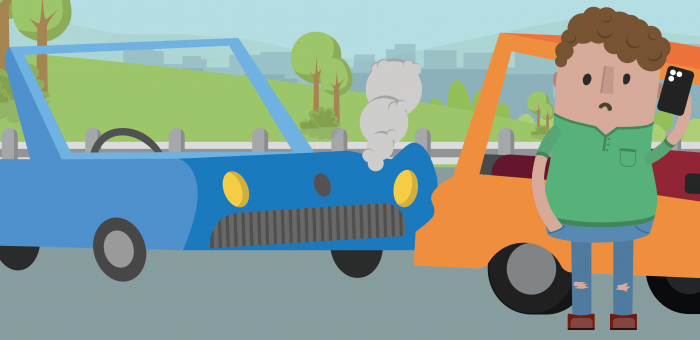
Car accidents do happen — sadly, quite often — and sensible drivers can unfortunately come a cropper because of other drivers’ actions. What does the law say a driver must do if they’re involved in an accident, and what practical safety advice is out there?
Keeping on the right side of the law
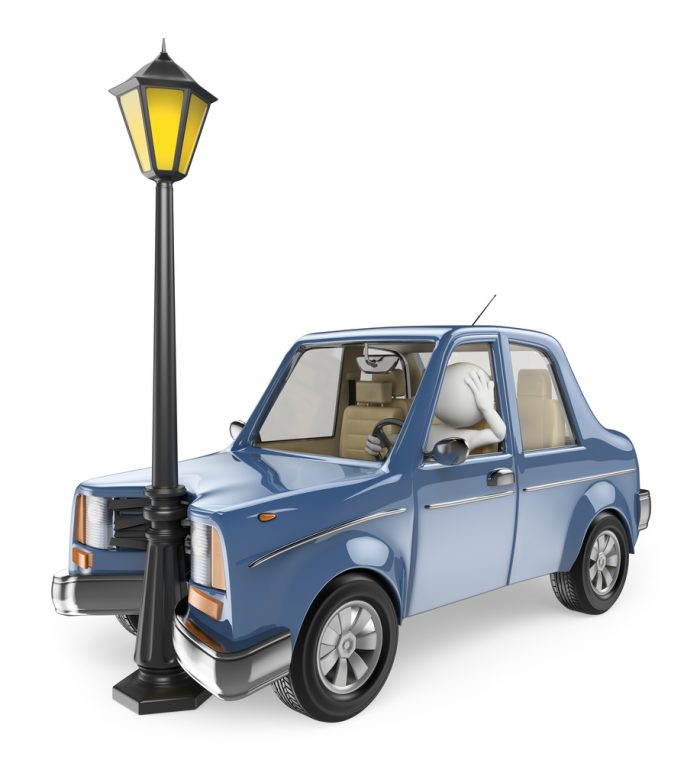
To avoid a fine of up to £5,000, between 5 and 10 licence penalty points, potential disqualification and even six months behind bars, you must stop at the scene if:
- you’re involved in an accident yourself or you come across an accident that has occurred involving other people
- you injure a person or animal and/or damage someone else’s property, including road signs, walls, fences, bollards, street lamps, etc.
You’ll need to give your name, address, vehicle registration and ownership details to anyone related to the accident. If it’s simply not possible to stop, you’ll need to physically go to a police station or speak to a police constable within no more than 24 hours and report the accident and provide your car insurance certificate within seven days.
Animal-lovers may not like it, but the law says ‘animal’ means a dog, sheep, pig, goat, ass, mule, cow or horse, so drivers aren’t legally required to report hitting a cat, and many consider it normal to continue driving after injuring or killing a wild animal such as a squirrel, rabbit or pheasant.
How to stay safe and what to do with your car
Assuming you’ve not been knocked unconscious or injured to the point that you’re unable to move, you’ll need to switch your car’s hazard warning lights on if you’ve had an accident. Look for the red triangle button, which is usually found in the middle of the dashboard.
If possible, switch the engine off immediately and move yourself and any others involved to a safer place. While staying out of harm’s way, try to warn other drivers by flashing a light or positioning a warning triangle, ideally when you’re wearing something reflective. If you’ve not got any safety kit to hand, just keep yourself and others as safe as possible while you wait for the emergency services, who you should have phoned straight away.
Giving first aid to anyone who needs it
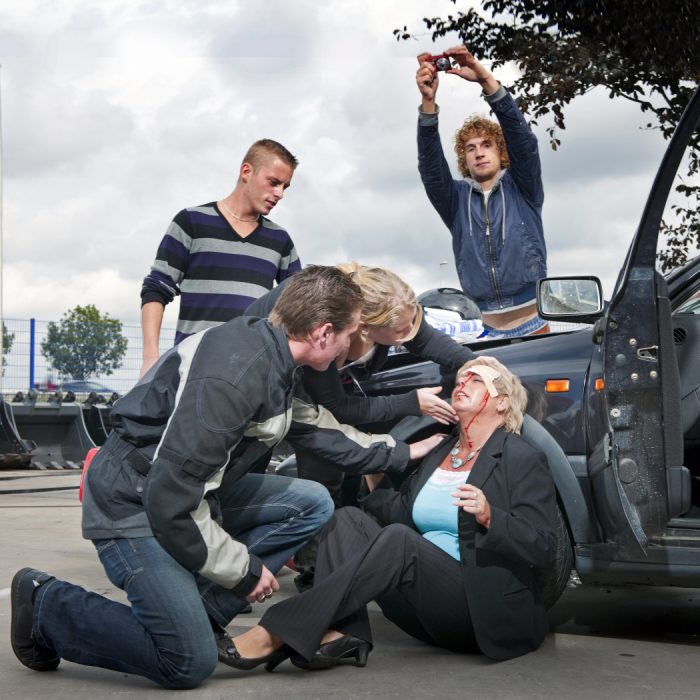
Wanting to help others is a really caring attitude but be careful not to charge in and make things worse. First, step back and work out what’s happened, identifying any hazards and risks to yourself, for whom you’re primarily responsible.
Don’t use your car as a road block and if safe, approach the person(s) gently. Visually check them for injuries but don’t move them, speak to them reassuringly and help them breathe if they are having difficulty.
Never attempt CPR if you’ve not been trained. Bleeding can be stemmed by pressing some clean material against the wound, and shock can be reduced by gently propping the person’s legs up and putting a coat or blanket over them to warm them up. It’s tempting to be a hero but it’s not a good idea to try to help someone while you’re talking to the emergency services at the same time.
The insurance angle
You don’t have to claim against your car insurance if you’ve been in an accident, but chances are you’ll want to as it’s unlikely you’ll be able to afford to pay for repairs out of your own pocket. If you have a car accident, don’t admit at the scene that you were to blame, but you do need to:
- take photos and/or videos with a mobile device, but be respectful and sensible, and stay safe
- exchange names, addresses and phone numbers with the other drivers involved, and obtain contact details from any independent witnesses who saw the accident.
- make a note or take pictures of all vehicle registration plates involved, in case any driver(s) won’t provide their details
- tell your car insurance company immediately, even if you don’t intend to claim. They will be able to advise you on any uninsured losses, what to do if the crash wasn’t your fault or an uninsured driver was involved, how to get your car repaired and what to do if it’s a write-off (which means it’s been damaged too badly and/or made too unsafe to make repairing it worthwhile)
- If you’re a Carrot customer, call us from the scene, we can help you with what to do and talk to third parties if it helps
Hopefully you’ve never been involved in a car accident and won’t be in the future, but we hope the advice we’ve shared is useful. Don’t forget to call us as soon as possible, we’re here to help!
What to do if you break down in your car
No matter how long you’ve been driving, whether it’s for many decades or just a few months, suffering a car breakdown is never a nice experience, but it can be even more stressful and scary for young or newly-qualified drivers.
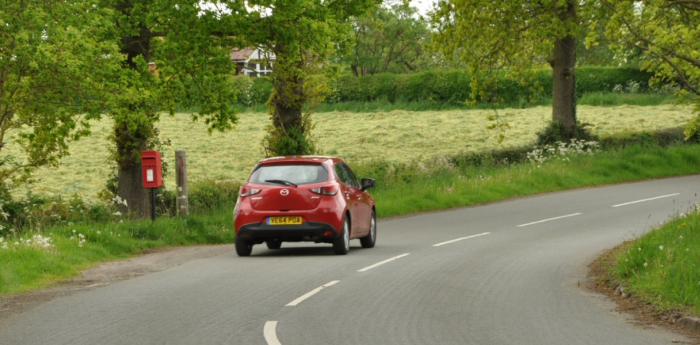
Normal A & B roads plus country lanes
Where to stop
If possible, bring your car to a stop off the road or at least somewhere sensible, where it won’t block or pose a danger to other road users.
Breaking down in awkward places
It doesn’t happen very often, but if you break down in an awkward place like on a roundabout, a street corner or at a junction controlled by traffic lights, try to keep a cool head, exit the car in the safest way possible and phone for breakdown assistance
Warning other motorists
Hazard lights need switching on straight away and if it’s dark you should leave your sidelights on, but not the full beam headlights as they could dazzle other traffic. If it’s foggy, keep the front and rear fog lights switched on.
If you want to be really safety-minded, keep a reflective jacket in your car, along with a warning triangle that can be placed 50 metres behind the car providing it’s safe to do so. Warning triangles should not be used on motorways, though. Keeping a snack that won’t go off for a long time, such as flapjack, and also a cold drink and a blanket in your car will be a real comfort if you get stranded.
Getting help
Phone your breakdown provider (or a parent, guardian or friend if you’re not covered) and wait patiently somewhere safe and near your car. If you’re stuck in the middle of nowhere or in an area that feels a bit dodgy, it may be safer to wait inside the car and lock the doors but use common sense. Did you know that we offer breakdown cover too which can be bought at any time – find out more?
Breaking down on standard motorways
Where to stop
The Highway Code technically tells drivers to exit the motorway at the next exit or to stop at the next services, but it’s not always possible to do so, in which case the hard shoulder is the only option.
What if you can’t pull over?
If your car breaks down in one of the motorway’s active or ‘live’ lanes and it’s not possible to move over to the hard shoulder, maybe because there isn’t one, it’s important to switch the hazard lights on immediately but remain in the car with your seatbelt fastened, no matter how scary that sounds.
Hard shoulder safety
Use your mirrors before pulling over to the hard shoulder as smoothly as possible, avoiding cutting any other vehicles up and watching out for any debris. Park as far to the left as you can, with the wheels turned away from traffic, so that your car won’t be pushed into other vehicles if someone runs into the back of you on the hard shoulder. For this same reason, it’s advisable to get out of your car, whatever the weather. Exit out of the side which is away from passing traffic and move to somewhere safe, ideally behind the barrier. It will feel wrong, but any pets should be left inside the car.
Phoning for help
It’s recommended to use the nearest orange emergency telephone to call for help, as it’s easier for the police or Highways England who answer the phone to be able to pinpoint your location. Emergency phones are free and shouldn’t be too far away, but you can use your mobile phone as a backup for contacting your breakdown provider and, of course, for updating loved ones.
Where to wait
Once you know help is on the way, walk back to your car but wait on the other side of the metal barrier where it’s safer, ideally up the embankment. The only time you should get back in your car while waiting for assistance to arrive is if you feel in danger. In such a situation, sit in the front passenger seat with the belt fastened. Don’t attempt to fix your car yourself, not even trying to change a tyre, as the hard shoulder is a dangerous place to be.
Extra advice for young drivers
You might find that someone stops and offers to help look at your car, but you don’t know their real motives or skill set, so even though they may have a heart of gold, it’s best to politely decline their assistance and wait for the breakdown people to arrive.
It’s also common for independent, self-employed breakdown trucks to pull up behind broken-down cars on the hard shoulder, offering to help there and then. It might be tempting to say yes, especially if your breakdown provider can’t get to you quickly, but these chancers often charge expensive fees and you don’t really know who they are.
Smart motorways
What are they and where should you stop?
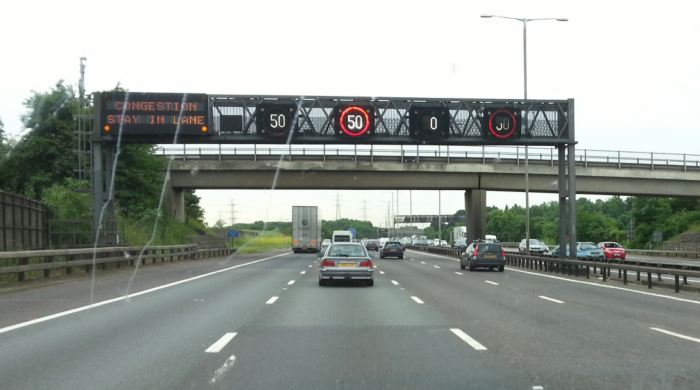
This kind of motorway has signs displaying variable speed limits and either allows vehicles to drive on the hard shoulder at certain times, or doesn’t have a hard shoulder at all. A speed limit displayed above the hard shoulder means it’s been opened up as an extra lane, but a red cross over it means it’s currently serving as a hard shoulder. Anyone whose car breaks down on a smart motorway with all four lanes in use should if possible keep driving until they reach the next emergency refuge area, shown by a blue sign with an orange SOS telephone symbol.
What if your car won’t budge?
If your car won’t make it as far as the next emergency refuge area, you may need to stop on the hard shoulder, if it’s got a red cross over it, or on the grass verge. If you can’t see either of these, you’ll have to stop on the inside lane if possible. If your car breaks down in lane 2, 3 or 4 and it’s not possible to go any further, you’ll have to stop where you are and stay in the vehicle with your seatbelt fastened.
Words of comfort
Make sure your hazard lights are switched on immediately. Dial 999 and wait for assistance, reassured by knowing that smart motorways are monitored by loads of cameras, one of which will quickly spot that you’ve broken down and will close the lane you’re in, for the safety of you and others.
Hopefully you’ll never experience a break down at all during your driving career, but it’s useful to brush up on what to do just in case.
10 reasons why tyres aren’t as boring as you might think
Okay, they may just be pretty uninteresting black circles at face value, but if you stop and think for a moment, your tyres are literally the only contact between you, your car and the road beneath, at speeds of anywhere upto 70mph. It’s a humbling thought, right?
We understand that very few of our customers can afford to drive around in shiny new cars, and even other drivers with decades of experience and much more spare cash in their accounts don’t like parting with money for tyres if they can help it.
1. Back in history, early car tyres were actually white
It’s pretty weird to imagine, but when the first rubber car tyres were invented in 1895, they were actually white, which is the natural colour of rubber; but tyre producers discovered around 25 years later in the early 1900s that using something called ‘carbon black’ makes tyres stronger, keeps them cooler and helps them last longer. Fast forward to 2017 and modern tyres tend to use a substance called Silica, which basically comes from sand.
2. Some roads are made from recycled tyres
Since 2006 when it became illegal for whole or shredded tyres to be dumped on landfill sites anywhere in Europe, it has become more and more common for old tyres to be used in making new road surfaces, which scientifically happen to be quieter, which helps to reduce heart attacks, would you believe?
3. The world’s busiest tyre manufacturer probably isn’t who you’d expect
Asked to name some companies that make tyres, there’s a good chance you’d think of the likes of Pirelli, Continental and Michelin, but the firm that produces the most tyres is actually LEGO, popping out well over 300 million black circles every year, which is almost double the quantity Michelin manages.
4. Over a third of new cars sold in recent years have not come fitted with a spare tyre
It might sound a bit scary but it’s becoming far more common for car manufacturers to choose not to fit a proper spare tyre to their new models, providing a tyre inflation kit instead, which is meant as a temporary fix to enable someone to drive on to the nearest garage or tyre fitter. One main reason why kits are becoming much more popular than spares is because they weigh much less, which improves a car’s fuel economy.
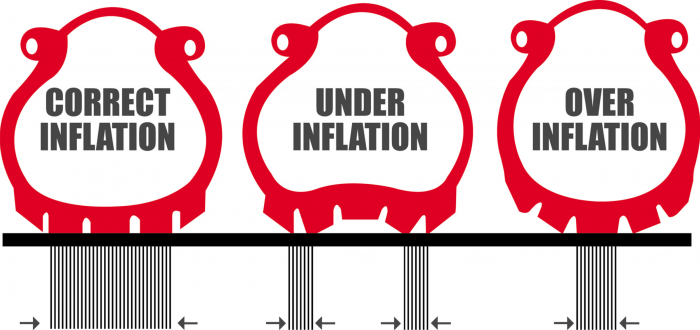
5. Having too much air in your tyres is just as dangerous as if they are under-inflated
Tyre pressure can affect a car’s fuel consumption, how safe it is and the way it handles, so it’s important to check the pressures regularly to keep them matching whatever PSI or BAR figure is printed in your car’s instruction booklet or behind the fuel filler cap. Over-inflated tyres with too much air in them tend to wear out more quickly in the middle, basically making them bald, which means they’ll be dangerous in the wet.
6. Mid-range and budget tyres are actually often made by companies who produce premium tyres
If you’ve been comparing tyre prices online and come across cheaper tyre brands you’ve not heard of before, it’s pretty likely that a more recognisable tyre producer will own them in the background. For example, NEXEN tyres are made by Michelin, FEDERAL tyres is owned by Bridgestone, and BARUM tyres are made by Continental. This means that mid-range tyres aren’t necessarily relatively rubbish and some budget tyres are even worth considering, too, as the posher parent brands behind cheaper tyre companies will legally have to make sure their tyres meet the minimum safety standards. It’s still recommended to get the most expensive tyres you can afford, though, as premium tyres tend to last longer and perform that little bit better in terms of safety.
7. Part-worn tyres are best to be avoided
TyreSafe, Durham County Council’s consumer protection squad visited a number of part-worn tyre traders and found that only one out of 39 tyres was legal and therefore safe. Over 25% of the tyres they examined were over 10 years old, meaning they aren’t fit for use any more, while the same percentage had been repaired to unsafe standards. It may be tempting to save money by getting one or more part-worn tyres fitted, but you’ll clearly be exposing yourself to potential dangers.
8. Not feeling confident to put your spare wheel on? Let the tyre fitter come to you
Loads of mobile tyre-fitting services exist these days that can come to your house, college, workplace or many other places to professionally fit one or more tyres for you, saving you having to get mucky or perhaps not do the job properly. Many mobile tyre fitters can also make sure that your wheels are properly ‘balanced’, too – although you’ll still need to visit a garage if you want someone to check your wheels’ alignment, or ‘tracking’ as it’s often called.
9. Tyres can generally last for up to around ten years
There’s usually no need to replace your car’s tyres every few years if they still all have more than the minimum legal tread depth of 1.6mm on them, if they seem to be wearing evenly with no bald spots or scuffing, and they haven’t been damaged in any other ways. As long as tyres are looked after carefully, inflated regularly and treated with respect, they can often last for up to around ten years, at which point it’s usually recommend to think about changing them.
10. Try to maintain matching brands, tread patterns and tread depths along at least each axle
By this, we mean that it’s better for safety and fuel economy reasons if the two front tyres and/or the two rear tyres are the same brand and age and have the same tread pattern. Having one new front tyre with 8mm tread on it while the other older front tyre has 4mm tread on it, for example, will probably play havoc with the car’s handling, so it’s best to replace both front tyres and/or both rear tyres at the same time if you get a puncture or need a new tyre for any other reason. Tyres have distinct tread patterns which can affect the rate the wheels turn at, which is another reason why it’s best to replace tyres in pairs if possible.
So, there you have it – next time you’re out for a coffee or beer with your mates, you can impress them with one of these quirky tyre facts. Okay, maybe not, but at least some of the advice will help keep you safer on the roads.
Brush up on dashboard warning lights
For all motorists, from the newly-qualified and young drivers we look after here at Carrot right up to experienced pros with decades behind the wheel, seeing a dashboard warning light illuminate can bring on that sinking feeling.
The AA attends almost 20,000 dashboard warning light-related call-outs each month with annual peaks in March and September after people have picked up their brand new cars.
After surveying their breakdown members, it was found that blokes are more likely to hope that turning their car off, reading the hand book and then switching the ignition back on again will fix an issue and get rid of the warning light. Female drivers are more likely to safely stop and phone someone they trust for advice.
Another breakdown provider, Green Flag, carried out a survey learning that UK drivers typically spend another 71 hours (obviously not continuously) behind the wheels of their cars before getting warning light problems looked into by a garage.
They think a big factor behind motorists like these causing more damage to their cars by delaying doing anything about warning lights is because almost 25% of people didn’t know, for example, what the low tyre pressure warning symbol meant and a fifth didn’t recognise the often serious red engine warning light. Drivers aged 18-34 had the poorest knowledge of dashboard warning lights according to the survey.
Most cars made during the last twenty years or so incorporate engine management systems or electronic control units (ECU), which receive information from sensors all around the car. As soon as they detect that something isn’t right, from a tiny bulb that’s blown, right up to an engine that’s about to blow, they tell the ECU, which then displays a warning light on the dashboard.
The general rule is:
Blue or green lights tell you that something is switched on, such as your headlights, but there’s nothing to worry about.
Yellow or orange lights tell you that a problem has been detected, such as one of your tyres has dropped below the recommended pressure, and that you should get a garage or someone competent to look at it as a priority – but you don’t necessarily need to stop.
Red lights are much more serious and shouldn’t be ignored. If a red light illuminates and stays lit on your dashboard, it’s recommended that you bring your car to a stop ASAP, somewhere safe.
Building up a good understanding of warning symbols in advance can help reduce any worries later, especially for drivers with less experience. We know that most of our customers can’t afford expensive cars with loads of gadgets, and that few of you drive hybrids, 4x4s or automatics, so we’ve stuck to lights you’re more likely to see.
It’s normal for most or all of a car’s warning lights to illuminate when the ignition is first turned on, but they should disappear a few seconds afterwards. Although the symbols may differ slightly depending on the make and model of car you’re in, and they may shine red or yellow/orange according to how serious the problem is, the main dashboard warning lights to be aware of are:

Brakes e.g. fluid leaks

Power steering

Engine cooling system

Steering lock

Parking brake (handbrake)

Engine management (including software + emissions)

Anti-lock braking system (ABS)

Tyre pressure incorrect (possible slow puncture)

Glow plugs (diesel cars)

Airbag and seatbelt system

Diesel particulate filter (DPF)

Engine oil level

Bulb

Battery or charging system

Electronic stability program (ESP)

Windscreen wash
You may turn out to be one of the few really lucky motorists who never see any of these dashboard warning lights, but chances are you’ll see one or more of them from time to time – and now you know what they refer to. If it’s red, stop ASAP and seek help. If it’s yellow, don’t worry too much but get someone to look at the car as a priority. And if it’s a blue or green light, you can chillax.
Improve your driving skills: Anticipation
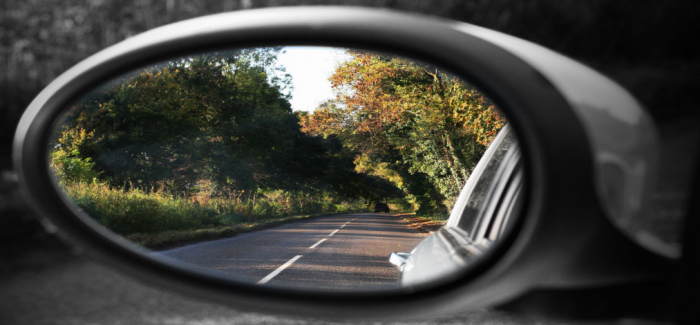
Anticipation is really all about reading your surroundings and remaining aware by keeping your eyes and ears open. In driving terms, it’s the opposite of walking down a busy high street and tripping over a loose paving slab or knocking someone flying because you’re so engrossed in your mobile phone. Despite how it sounds, ‘defensive driving’ is a great skill to learn and anticipation is an important part of it, like swaggering coolly down that same high street and having your wits about you, smartly avoiding the loose paving slab and the person dilly-dallying outside a shop, saving you and them from blushes and perhaps even injuries. Here are some key things to look out for in front of you, in the distance, to the side of you and even behind you when you’re driving…
Hatch markings – trust me, I’ve done it myself, thinking there was enough room for me to squeeze behind the car in front but then ending up getting stranded on the yellow lines indicating an area in which no vehicle should end up standing still. I did indeed get honked at and held a few streams of traffic up, so it taught me to always look way ahead and spot any hatch markings, sensibly stopping at them instead of chancing it.
Country roads – for starters, keep your eyes and ears primed for tractors, which usually drive very slowly. Farmers will sometimes pull over and signal to tell you to pass them, so staying alert means you can act promptly and keep traffic flowing smoothly. Some rural roads can be very narrow so don’t be afraid to sound your horn if you can’t see round a sharp bend, listen out for approaching cars and watch for headlights, and try to anticipate where the passing places are, so you don’t have to reverse if the road’s too tight for two cars to squeeze past each other.
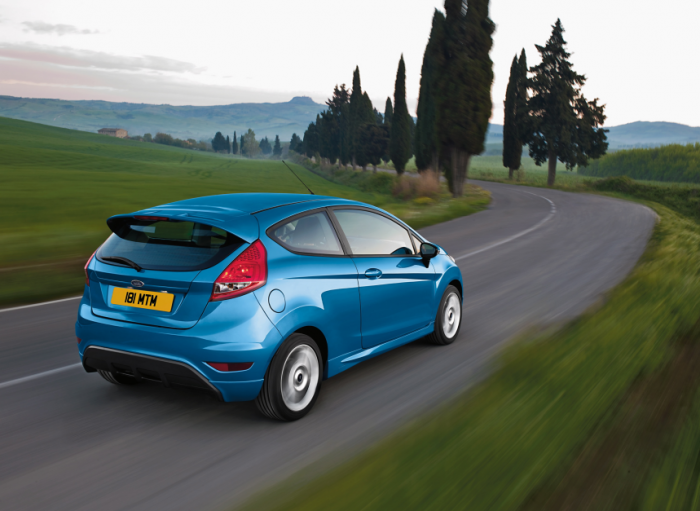
Lane changes – it’s easy to get lost these days, with a bewildering number of signs, lanes and other things to contend with, so anticipating which lane you’re in can really save embarrassment, save time and keep you safe. Motorways usually clearly indicate which lane you need to be in, depending on where you’re heading. In towns, lane destinations are sometimes painted on the road, requiring driver alertness to spot them. Make sure you’re in the right lane when going all the way round a roundabout, too. Situations where two lanes merge into one often result in frustration as many drivers will leave it until the last minute and then try to force their way into the merged lane. It’s best to plan ahead so you’re not one of them. Many towns and cities also feature bus lanes these days, in which it’s illegal to drive between certain times, so look out for the signs.
Traffic lights – this is where looking ahead comes in. If you’re clever and notice that the traffic lights you’re approaching have been green for a while, accelerating safely and within the speed limit may enable you to pass through the lights, saving you time or having to suddenly brake. On the other hand, lights in the distance that have been red for a while may change to green if you approach them more slowly, saving you having to brake or stop at all. Driving smoothly uses less fuel, saving you money. Observing traffic flows, other traffic lights and car lights around you will give you a good idea when the lights in front of you are going to turn green, so you can prepare for a prompt but safe getaway instead of leaving the person behind cheesed off with you.
Urban areas – especially be observant of cyclists, pedestrians, emergency vehicles and parked cars. Spotting other people early will keep you and them safe, ambulances, police cars and fire engines will seem less scary to you when you’re behind the wheel and they will be enabled to get to their emergencies swiftly, and anticipating having to move around parked vehicles will prevent you ending up being wedged in behind one for seemingly ages.

Car parks & toll booths – a nightmare for drivers and pedestrians alike, they require special alertness, with adults, little children, runaway trolleys and other cars seemingly springing out of nowhere. When you’re driving in a car park, look out for reversing lights, boots closing and doors opening, as they all indicate likely movement. If a car park is ticketed with a barrier, make sure you’ve got your validated ticket ready in your hand, so you can promptly wind your window down and let the machine grab it. Fumbling around for your ticket isn’t cool and will hold people up. The same applies at motorway toll booths like on the M6.
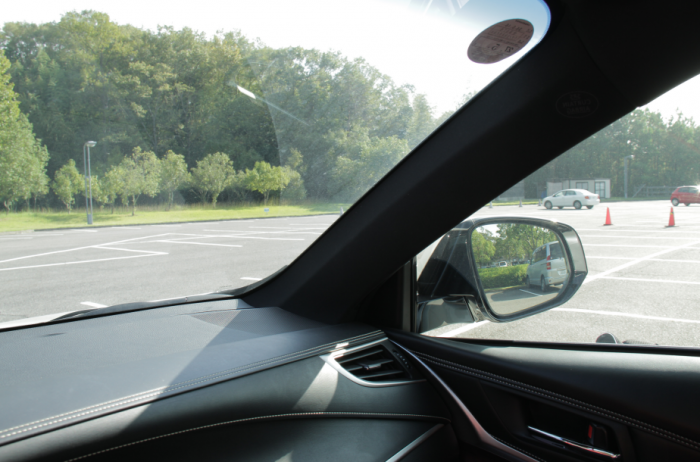
Junctions – always expect a car or bike to suddenly pull out of a junction instead of patiently waiting until you’ve driven past. On the flipside, if you’re attempting to pull out of a junction, don’t assume the driver of vehicle coming towards you will be kind enough to let you out.
Lorries – in urban environments, lorries require a lot of space to swing out and turn round corners, so if you spot a lorry in front of you, slow down and try to figure out what it’s going to do. Getting too close can lead to embarrassment all round. On the motorway, keep your eye on lorries, which usually drive in the inside lane (sometimes called the slow lane or ‘lane one’). If a shorter lorry is following a really long one, it’s a safe bet to assume the shorter one may try to overtake the long one at some point, so be prepared.
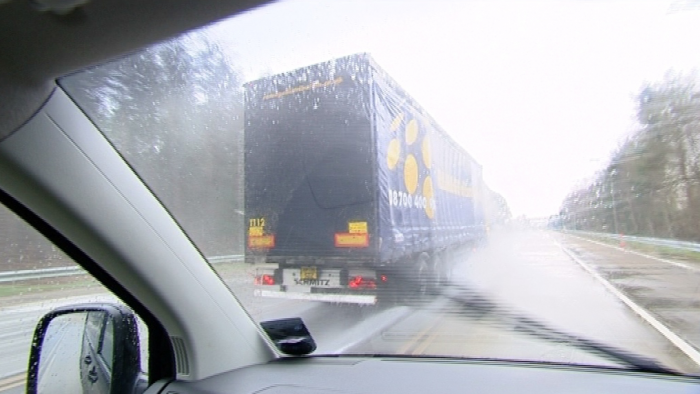
Weather conditions – Snow, ice and even heavy rain make driving dangerous and slow progress down, so it’s important to be aware of even minor obstacles like large puddles – but it’s not just in the winter when good drivers slow down, anticipating that conditions have made the road more dangerous. In the summer, sun glare can be a real issue, making it almost impossible to see what’s in front of you. Don’t panic, though – pull down your sun visor, spray your windscreen washers to remove any glare and dirt from the windscreen, check your rear-view mirror and then slow down.
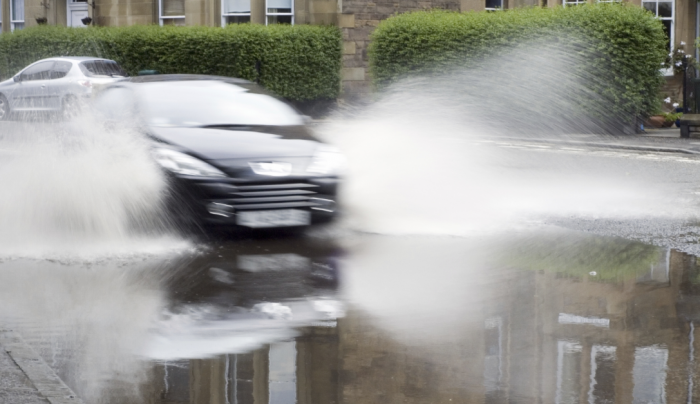
We hope these driving tips relating to anticipation and defensive driving are useful.
Handling emergency vehicle situations
Imagine for a moment that you’re driving in a big city for the first time as a newly-qualified driver, maybe in the biggie, London, or in another pretty large city like Manchester or Birmingham. With bus lanes, no entry signs, one way systems, large junctions and car park entrances to spot, taxis absolutely everywhere and people often crossing the road at random, driving in a city can be nerve-racking even for experienced drivers, but especially for rookies. Suddenly, to add to the experience, you see and hear an ambulance looming up behind you in the rear-view mirror.
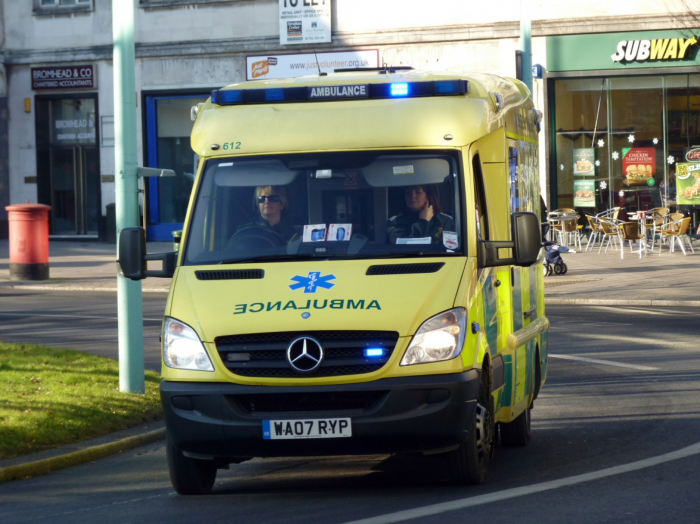
Emergency vehicle situations are enough to give many drivers a ‘heart-in-mouth’ feeling, whether in built-up areas, on narrow country lanes or anywhere else for that matter. There’s a balance between keeping road users and pedestrians safe while allowing an accident or incident to be attended as quickly as possible. By thinking scenarios through in your mind first and remembering tips and advice like this, though, it’s possible to keep calm and not be phased by ‘blue light’ vehicles.
Different types of emergency vehicles
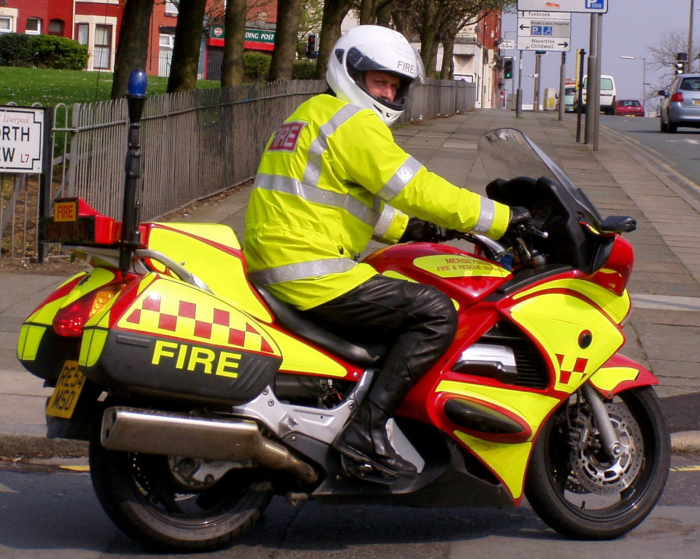
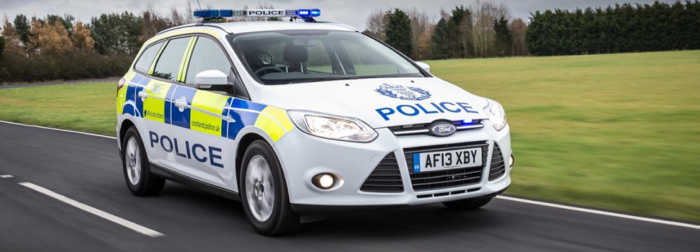
Ambulances, police cars, fire engines and motorbikes with blue lights only represent a fraction of emergency vehicles, even if they’re the most common. Blue flashing lights are also used by a variety of other organisations from HM Coastguard, the Forestry Commission and HM Revenue and Customs, to bomb disposal, nuclear emergency, blood delivery and cave and mountain rescue vehicles.
Anyone who drives on motorways a lot will have seen Highways England vehicles, usually 4x4s, which are fitted with flashing amber lights. This orange colour is also used by VOSA, by breakdown and recovery providers, slow-moving vehicles including abnormal or wide loads along with their escort vehicles, by road-sweepers, bin trucks and other council vehicles, plus ones involved in testing, measuring and surveying.
Green lights are used on some doctors’ vehicles – and yes, unmarked emergency vehicles also use sirens and flashing lights, which tend to be less obvious, built into the front grille and rear window.
Listen, look, think, react: being alert pays off
Drivers tend to panic more when they only notice an emergency vehicle at the last minute, when it’s breathing down on their rear bumper. By thinking ahead and being aware and observant when driving, you’ll hear sirens and see flashing lights much earlier, giving you more time to react. Looking at how other road users are responding, using your mirrors regularly and keeping the volume of music down are great tips, especially in built-up, busy or unfamiliar areas.
Top tips for emergency vehicle situations
Stay calm and don’t panic, as the Highway Code says in Rule 219. Police, ambulance and other emergency services drivers are specially trained to deal with all kinds of situations. They will only pass you when it’s safe and will never make you do anything dangerous or illegal.
Reduce distractions by switching music off and putting conversations on hold, for example.
Look around you and think about what the emergency vehicle is likely to do to get through. If nearby road users have created sufficient room, you might not need to do anything.
Avoid braking sharply, as this could cause the vehicle(s) behind to swerve or even crash, particularly if you’re approaching a junction or roundabout.
Use your indicators to clearly tell other road users what you are doing.
Pull over on the left if and when it’s possible to do so safely. Try to avoid mounting a kerb or grass verge, as this could damage your car and, more importantly, endanger pedestrians.
Continue driving until a suitable stopping place comes along, if necessary. Stopping on a bend, on the brow of a hill, on narrow roads or next to parked cars could put you and others in danger.
Don’t break road laws when an emergency vehicle approaches. Jumping a red light, driving on the wrong side of the road, breaking the speed limit, driving in a bus lane and stopping on yellow hatch markings are still illegal.
On one-way streets, some with bollards on either side, the only option is probably to continue driving at the legal speed limit until an opportunity comes along for the emergency vehicle to safely pass you.
On motorways, move over to the inside lane as soon as you can do so safely and smoothly, using your mirrors and indicators like you normally would. If there is one, avoid blocking or stopping on the hard shoulder.
Stay alert and keep checking your mirrors after the emergency vehicle(s) you are aware of have driven past, because more could be on the way to the same incident.
Emergency vehicle situations can even spook experienced drivers from time to time, but by keeping tips and advice like the above in mind, they can be made much less stressful to deal with.
A young driver’s guide to smart motorways
All across the UK, ‘smart’ motorways are being rolled out – but what exactly are they? Sometimes referred to as ‘managed’ motorways, their main aim is to reduce congestion by helping traffic to flow more smoothly, allowing more vehicles to travel along them as a result, especially at peak times. It’s a great idea in theory and should even bring down the amount of emissions pumped out by the vehicles using them. Smart motorways use various traffic management methods and the three main types are:
- “All lane running” where the hard shoulder is turned into a 4th lane that can be used at all times, except when it gets closed because of an accident or some other event, in which case a red ‘x’ is displayed above the lane. Overhead signs display different speed limits at regular intervals, helping to keep traffic flowing smoothly. CCTV means that any problems are spotted quickly and cameras catch out speeders.
- “Dynamic hard shoulder running” motorways on which the hard shoulder is opened up to let normal vehicles drive on it as an extra lane at busy times like the morning and evening rush hours. The overhead signs tell drivers if they can use the hard shoulder or not. Variable speed limits, CCTV and speed cameras are again used on this type of smart motorway, and the hard shoulder is separated by a solid white line instead of a dashed one.
- “Controlled” motorways which are a bit more old-fashioned with a hard shoulder that can only be used in emergency or breakdown situations or by other authorised vehicles. Controlled motorways have either three lanes or four in some places, and the speed limit displayed on the overhead signs once again changes depending on traffic volume and other factors.
Smart motorways require different driving rules and safety tips:
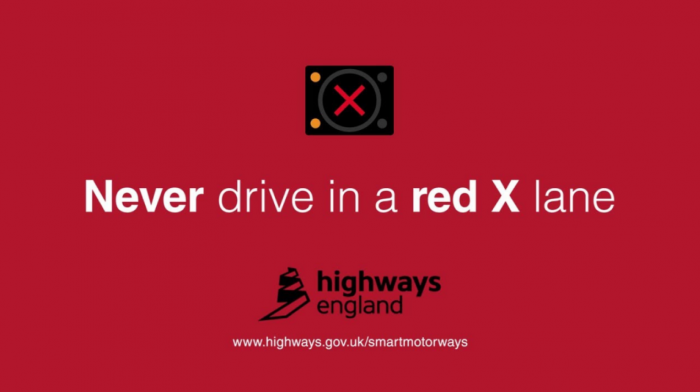
- Like you might have heard, never drive in a lane with a red ‘x’ displayed above it. It’s illegal and dangerous.
- Don’t exceed the changing speed limits displayed overhead. This will help keep traffic flowing, will keep you on the right side of the law and is also safer.
- You’ll know if you can drive on the hard shoulder if the signs say so and it’s separated by a dashed white line. Otherwise it’s to be treated like a normal hard shoulder, only for emergencies unless signs say it can be used temporarily on certain stretches.
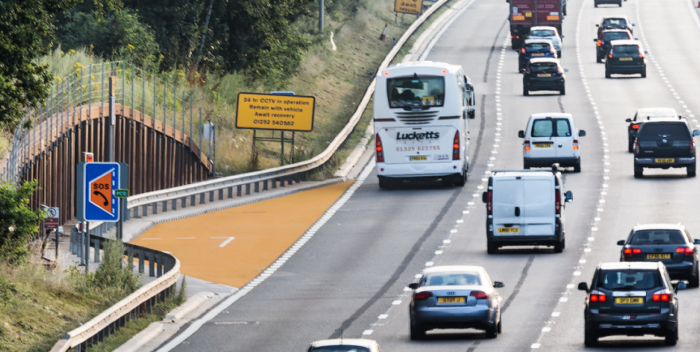
- On all lanes running and dynamic motorways, anyone who breaks down or needs to stop for some other genuinely important reason should look for signs to the next emergency refuge area (ERA) marked by a blue sign.
- ERAs are short-length boxes where drivers can call for help using the orange phone provided. Any vehicle ready to re-join live traffic will be let out with help from a Highways patrol vehicle or by the regional control centre temporarily placing a red ‘x’ above the lane so the car can build up speed.
Some useful videos from Highways England, which bring all this to life:
How to drive on smart motorways
Emergency refuge areas
It’s great that something is being done to try to make the UK’s congested motorways run more smoothly, so once all the 50mph roadworks stretches have disappeared, we should all find motorway driving that little bit more enjoyable.
What do you do if you hit an animal while driving?
The last thing on most drivers’ minds when they’re enjoying motoring on jam-free roads through the countryside or heading off to the cinema on an evening is that they could end up hitting an animal. It can happen to any of us, though, and can be especially upsetting for young and newly-qualified drivers.
Unusually, the Highway Code isn’t much help with situations like these, as rules 47 to 58 relating to animals mainly talk about horse riders and dog owners keeping their animals under control. It’s the Road Traffic Act (RTA) 1988 that gives us the answer when it comes to the actual law. Section 170 says:
“Duty of driver to stop, report accident and give information or documents: (1) This section applies in a case where, owing to the presence of a [mechanically propelled vehicle] on a road [or other public place], an accident occurs by which (b) damage is caused — (ii) to an animal other than an animal in or on that [mechanically propelled vehicle] or a trailer drawn by that [mechanically propelled vehicle]”
So, that seems pretty clear then, doesn’t it? If a driver causes ‘damage’ (injury) to or kills an animal, then he or she must safely stop, report the accident and provide more docs or info – right?
The actual law isn’t quite as straightforward as that, because part (8) of section 170 of the Road Traffic Act goes on to state:
“In this section “animal” means horse, cattle, ass, mule, sheep, pig, goat or dog.”
Yep, it’s tragic for lovers of cats, rabbits and any other fluffy creatures, but the law doesn’t class them as animals to stop your car for, basically giving a driver the right to keep on driving if they injure or kill any other four or two-legged friend like a fox, squirrel, pheasant or grouse.
In May/June when all the fawns (baby deers) are let out, and then in the October/November rutting season, there’s a pretty big chance that deer will wander into the road in more rural parts of the UK. Deer aren’t included in the RTA’s ‘animal’ definition, but the sheer size of them means they need a special mention.
- When driving, look out for deer signs and be extra aware around sunrise and sunset
- Keep your speed down because a deer could appear at any time
- This is especially true on twisty roads that don’t have good visibility around bends
- If you do see a deer up ahead, try not to panic (easier said than done, we know)
- Slow down as quickly as possible (being mindful or other road users), avoid swerving as this could endanger you, your passengers and other road users
- Don’t honk your horn or flash your headlights, as this can spook an animal and make it panic
- If you do hit a deer, pull over as soon as you can safely do so
- Check that your passengers are ok before visually inspecting your car for damage
- Reporting the accident to the police, along with the RSPCA on 0300 1234 999, would be the nice thing to do, but each driver has to make that decision.
True, the list of tips above can help avoid hitting other animals, too, and it’s always best to drive with full beam headlights switched on at sunset onwards – unless other cars are approaching, obviously.
It’s fairly common to see dead badgers in the road. Even though drivers aren’t required to report any that have been hit or killed, the badger is actually a specially-protected species. If your heart strings are pulled by a hurt or deceased badger, (it’s illegal to put one in your car for any reason, such as taking it to a vet) just phone the police, RSPCA or the local council.
Going back to the Road Traffic Act law, a driver must stop, contact the police and remain on the scene if they injure or kill a dog, horse or one of the common farm animals listed. Just make sure your parked car doesn’t cause an obstruction, resist the temptation to get too close to the animal in case it acts aggressively, and wait for help if the animal is still caught up in your car somehow.
If your car is damaged after colliding with an animal, safely stop as soon as you can and phone your insurer, who will be able to advise you on the relevant policy terms. If safe to do so, take photos as evidence and obtain any possible witness statements. Making a claim after hitting a wild animal can sometimes affect a no-claims bonus (NCB), so it’s worth checking before continuing your journey.
Hopefully you’ll never hit or kill an animal in all your future years of driving, but this advice is good to keep in mind just in case.
Driving and hay fever: a young driver’s guide
With mega itchy eyes, constant sneezing, a prickly throat and a nose that never seems to stop running, hay fever can be truly horrid, affecting exams, work, downtime and even driving. From March right through to September, anyone who suffers from hay fever has got our sympathy.
At least you’re not alone, with tens of millions of people across the UK struggling with tree, grass and weed pollen plus other causes, which make summer that teeny bit less enjoyable at times.
If you’re a young driver, one way you can help ease the effects of hay fever each time you get behind the wheel of a potentially dangerous machine is to make sure your car’s pollen filter is changed at each yearly service. Tell-tale signs that the pollen filter in your car might be clogged are if the air vents seem to have run out of breath or the windscreen takes ages to demist. Sneezing causes a person’s eyes to close for one or two seconds, which is all it takes for an accident to occur on the road, so it’s worth thinking about this summer.
Since Easter 2015, traffic police have been able to stop drivers and do saliva swab tests to check for illegal drug levels in their systems. Plenty of people assume that it’s cannabis and harder drugs that will cause any issues, not realising that taking too much hay fever medication could also tip someone over the legal limit and end up in them being fined, banned from driving and maybe even given a short prison stint.
The Pharmaceutical Society’s advice to drivers is to be careful they don’t exceed the recommended dosage. If the leaflet or packaging says take no more than two hay fever tablets per day, for example, resist the urge to take more, no matter how agonising all the sneezing and scratchy eyes can be.
A survey found that 55% of drivers spoken to say they feel drowsy after taking hay fever medication, 35% suffer blurred vision and 4% have even had accidents because of taking antihistamines. Combining hay fever tablets with even a small amount of alcohol is a big no-no.

Tips from leading road safety organisation IAM RoadSmart for driving with hay fever include:
- Vacuum-clear your car as often as possible in the summer to remove dust and pollen
- Drive with your windows closed and rely on the air con (set to recirculation mode) if it’s hot outside
- Buy non-drowsy medication if possible
- Position tissues within reach to save you having to stretch and lose concentration while driving
- On days when you’re sneezing a lot, keep further back than usual from the vehicle in front
- If you can sense a sneezing fit coming on, try to park up as soon as you can safely do so
- It can sometimes help to wear sunglasses, and to dab a bit of Vaseline inside your nostrils.
Of course, if hay fever grips you so badly that you can barely function, it’s best to leave your car keys at home and try to get around by alternative modes of transport or by getting lifts from other kind people.
Whether you’re a young or newly-qualified driver yourself, or a concerned parent or guardian, we hope these tips on driving with hay fever and staying legal were useful.
Carrot’s top tips for driving in Winter
Road conditions in Winter can be more challenging so we’ve put together some top tips to help you stay safe:
1. Allow extra time
Allow extra time before you set off to de-ice your car, check fuel levels and warm up your car before you start your journey.
2. Take it slow
Winter driving conditions can mean the roads could be covered in snow and ice. Take it slow and remember to consider a longer stopping distance, mild braking and gentle manoeuvres.
3. Wear sensible shoes
Wear dry shoes that won’t slip, or maybe keep some dry ones in your car if you’ve been out and about.
4. Know how to recover if you skid on black ice
If you lose control of the car, remember to stay calm, keep both hands on the wheel and avoid braking. It’s also important that if you skid, you steer into the skid so you can regain control of the car and get back on track.
5. Prepare for all conditions
It’s not just icy conditions you might be facing, wind and rain can also cause troubling driving conditions. Make sure you drive slowly, keep both hands on the wheel and use your windscreen wipers to help with vision.
Keeping on top of car maintenance
- Make sure your car battery doesn’t go flat – when a car isn’t used for a long period of time or only used every now and again, the battery can suffer and start to go flat. To help, remember to start your engine regularly and leave it running for 5 minute or so – this can help prolong your battery life. However, remember to stay by your car when doing this!
- Get under the bonnet and check the fluids – keep an eye on your oil and water levels and remember to keep them to the recommended level. It’s not recommended to check your oil as soon as you’ve turned the engine off as the oil can take up to ten minutes to settle to the bottom.
- Check your lights – to check your lights ask someone from your household to come out to your car and check the lights on the front and back of your vehicle are working. If you are the only one in your household, park near something reflective so you can check your brake and back lights in your mirrors.
- Is your Tyre tread legal? – It’s important to make sure your tyres have enough tread depth and are in-line with legal requirements, which in the UK is 1.6mm. To check, you can use a 20p coin and put it into the tyre groove. If you can see the outer rim of the coin, the tread depth is too low, and the tyre will need replacing. Alternatively, there are a range of apps available for Android and iOS that can help you measure your tread depth.
- Tyre pressure – the correct tyre pressure for your tyres can be found in your car handbook, the one that usually lives in your glove box. However, if you don’t have that to hand anymore, you can also find the correct pressure for your tyres online. To inflate, you can buy a pump to keep in your car or go to a local petrol station where they usually have air for you to use.
- Are you brakes making a strange noise? – When getting behind the wheel for the first time in a while, it’s important to check your brakes. If you hear a strange sound or feel a weird vibration, it’s worth getting them checked out and repaired if needed.
The Dangers of Speeding: Drive Safe, Stay Safe
Did you in 2023 alone, speeding was a factor in over half of all fatal crashes. Out of 1,441 deadly collisions with known causes, 809 involved speeding. Speeding is one of the most dangerous hazards for young drivers. It increases the risk of accidents, raises insurance premiums, and if you drive at extreme speeds can result in immediate policy cancellation or disqualification from driving!
As a young driver, we know you have places to go and people to see. But remember, staying within the speed limit is crucial for your safety and your wallet! Young drivers face a significantly higher risk of accidents compared to older drivers. The combination of youth and lack of experience can be particularly dangerous on the roads.
To help you get the most of your new freedom on the road, we’ve produced guides on topics to help young drivers including How to Make a Claim and The Dangers of Mobile Phone Distraction. This article is all about the Dangers of Speeding and why it pays to stay within the speed limit.
Here are some key points to keep in mind about speeding:
- Reduced Reaction Time: Higher speeds mean less time to react to hazards.
- Increased Stopping Distance: The faster you go, the longer it takes to stop.
- Greater Impact Force: High-speed crashes cause more severe injuries.
- Loss of Control: This is especially true on curves and slippery roads.
- Emergency Services: Always move over safely for emergency vehicles.
Safety First
Speed limits are set to protect you and other road users. Driving too fast reduces your reaction time and can lead to serious accidents. With black box insurance your driving habits are monitored to ensure you stay safe on the road.
Avoid Penalties & Save Money
Speeding can lead to fines, points on your license, and even suspension, impacting your ability to get car insurance or a driving job. Speeding with a black box can result in warnings, penalty points, or even immediate cancellation.
Speeding doesn’t just put you at risk – it can be expensive too. Fines and higher insurance costs can quickly add up. Wouldn’t you rather spend your money on things you enjoy? Stick to the speed limit and protect your wallet, licence and insurance premiums.
Environmental Impact
Excessive accelerations and braking not only leads to higher fuel costs but also has a significant impact on our planet. According to Transport for London, research indicates that smoother driving within 20mph zones with fewer accelerations and decelerations, can lead to lower particulate emissions and reduced air pollution.
These emissions are a major contributor to global warming and climate change, causing harm to our environment and the delicate ecosystems that sustain life on Earth.
Slowing down not only saves you money at the pumps, but it also supports the global effort to combat climate change.
Speeding: Fast Track to Trouble
Speeding isn’t just reckless – it adds stress, fines, and dangers to your journey. Not exactly features everyone wants. Not only do you put yourself at risk, but you also endanger everyone else on the road.
Be smart and stick to the speed limits. By doing so, you can seriously cut down the chances of crashes, car damage, injuries, and even getting your insurance cancelled.
All these problems can impact your finances and lead to difficulty obtaining affordable insurance.
Black Box Fitment
At Carrot Insurance Services, our black box technology helps you drive smarter. This small device tracks things like speed, braking, and acceleration, giving you insights to improve your driving.
It can alert you if your acceleration habits need a little work. It’s like having a friendly reminder to help you stay safe, responsible, and in control on the road.
Speeding with a Black Box: Top 5 FAQs
- What happens if I speed with a black box? Even small, repeated speeding offences—or a single instance of extreme speeding—can trigger warnings from your insurer. In some cases, it could even lead to your policy being cancelled on the spot.
- Will my black box report my speeding to the police? No, your black box data is not shared with the police unless there is a specific request, or you are involved in a serious incident. However, if you are caught speeding by a speed camera or police officer, you may still receive a fine and penalty points.
- How does speeding affect my insurance premiums? Speeding can negatively impact driving behaviour, which is used to calculate your insurance premiums. Safe driving is rewarded with lower premiums.
- Can my black box policy be cancelled for speeding? Yes, if you repeatedly speed or engage in dangerous driving behaviour, your insurer can cancel your policy. Typically, you will receive warnings before cancellation, but extreme speeding can result in immediate policy termination.
- What should I do if I receive a warning for speeding? If you receive a warning for speeding, it’s important to adjust your driving habits to stay within speed limits. Safe driving can help improve your driving behaviour and prevent further warnings.
How Carrot Insurance Services speeding warnings work
If you exceed the speed limit you will receive a warning—usually by email or phone. Consistently speeding can lead to immediate cancellation of your policy. It’s important to drive safely and adhere to speed limits to avoid these consequences and maintain your insurance coverage.
Our Commitment to Road Safety
By partnering with the Bobby Colleran Trust, we aim to raise awareness about road safety and contribute to initiatives that protect lives and prevent accidents. Through education, community engagement, and dedicated support, we believe we can significantly reduce road traffic accidents and support those affected by them.
The Bobby Colleran Trust is vital in promoting road safety awareness, children’s mental health, and bereavement support. By partnering with this incredible charity, we aim to spark new conversations and enhance safe driving among young drivers.
Carrot Insurance Services: Driving Safe Together
As we’ve emphasised, safety is at the core of everything we do at Carrot Insurance Services. By using a black box, you will receive regular driving updates, and robust support through our Carrot Insurance Services Young Driver Success team, with the aim to significantly reduce the number of accidents involving young drivers across the UK.
Just to wrap up – here’s a quick reminder of the key benefits included in a black box policy:
- Stay Safe: Reduce the risk of injuries or worse.
- Build No Claims Discount: Earn No Claims Discount for each year you have no accidents or claim.
- Real-Time Updates: Know how you’re driving impacts your driving score every day.
If you need any support in any aspect of your Young Driver journey with us, call our team today!
Drive Safe and stay smart!
Like what you see? Consider checking out some other titles such as “Dangers of Drink and Drug Driving” or “Our Top 5 Essential Items for Your Glove Box and Boot”
Beat the Gridlock: Smooth Driving in Heavy Traffic
Whether you’re commuting to work, heading to college, or running late to a party, heavy traffic is never fun. Did you know that London was one slowest moving cities in Europe in 2024 – with drivers spending 101 hours on average stuck in traffic? As new drivers, navigating gridlock can be especially daunting, but with the right mindset and a few smart strategies, it doesn’t have to be.
At Carrot Insurance Services, we’re here to help you drive smarter with our friendly black box and practical tips. Here’s how to stay calm, safe, and in control when traffic slows to a crawl.
Outsmart the Jam with Smart Planning
Preparation is your best defence against traffic stress. As we mentioned in our post “Top 5 Essentials for Your Glove Box and Boot,” having the right gear can make all the difference. Here’s what to keep on hand:
- Prescription Medication: Bring extra doses in case of delays.
- Mobile Phone: For navigation and emergency contacts.
- Snacks & Water: Stay hydrated and energised, especially in warm weather.
Route Planning Tips
- Avoid Peak Times: Travel outside rush hours when possible.
- Use Real-Time Apps: Tools like Waze and Google Maps help you dodge delays.
- Secure Your Phone: Keep it mounted and charged—never adjust or use it while driving.
Stay Safe: Smart Driving in Traffic
Keep a Safe Distance
Always maintain at least a 2-second gap from the car in front—and double that in wet or icy conditions. Tailgating only increases stress and the risk of a collision, it is also considered illegal and can result in penalties for dangerous driving. If someone is tailgating you, stay calm and avoid reacting aggressively.
Master Your Gearbox
In a manual car, smooth clutch control is key. Know your biting point to avoid stalling, especially in stop-start traffic. For automatics, use lower gears on hills or in slow-moving traffic to improve control and efficiency.
Handle Hills with Confidence
On inclines, use your handbrake to prevent rolling back. When it’s time to move, release the handbrake gradually while easing off the clutch and applying the accelerator. Whilst at a standstill on flat roads, shift into neutral and use the handbrake to give your feet a break during long waits.
Weather the Storm: Driving in Adverse Conditions
Traffic jams in bad weather can be especially stressful. In rain, snow, or fog, increase your following distance and drive slowly and steadily to avoid skidding. Use headlights to improve visibility, and if conditions become dangerous, pull over safely and wait it out.
Drivers: Expect the Unexpected
You can’t predict what other drivers will do, so stay alert. Check mirrors frequently, indicate early, and watch for cyclists, scooters, and pedestrians. Stick to the flow of traffic and avoid sudden lane changes.
Stay Cool Behind the Wheel
Traffic can test your patience, but staying calm is key to staying safe.
- Limit Distractions: Listen to calming music or enjoy the quiet.
- Take Breaks: If you feel overwhelmed, pull over safely and take a breather.
- Breathe Deeply: Four slow breaths can help reset your mood and focus.
Keep Calm and Carrot On
Heavy traffic doesn’t have to ruin your day. With a little planning, a calm mindset, and support from Carrot Insurance Services, you can handle gridlock like a pro. Stay safe, stay cool, and keep driving forward.
Liked this post? Check out our other helpful reads like “Keep Your Car Safe” and “Stay Cool on the Road” for more smart driving tips.
Why Your Telematics Device is Your Best Driving Buddy
Getting your driving licence is a huge achievement — and with it comes the freedom and independence of the open road! As a Carrot Insurance Services Telematics customer, you might be wondering what it’s all about. Good news: this little device can be a big win for your safety and your driving confidence.
- What’s a Telematics device Anyway?
- A Telematics device (also known as a black box, hardfitted device or a self install device) is a small gadget installed in your car that tracks how you drive — like journey speeds and distance. As such, it can help you become a safer, more confident driver.
- Top Benefits of Having a Telematics device
- Here’s why embracing your Telematics device can be a smart move:
-
- No Claims Bonus – Each year you drive claim-free, you build up a bonus that can reduce your insurance costs even more.
- Peace of Mind: Monitoring encourages safer driving and can help locate your car if stolen.
- No charging required – Our self install (Theo) device is solar-powered (and we’ll send you a power bank if needed). Got an IMS device? It’s hardwired — no charging required!
- How to Get the Most Out of Your Telematics device
- To unlock all the benefits, keep these tips in mind:
- Drive Smoothly – Avoid harsh braking and rapid acceleration.
Stick to Speed Limits – Safe speeds = better scores. - Stay Within Your Mileage – Your mileage limit is set up front, so monitor it closely.
- Keep the Device Connected – Make sure your Telematics device is always active and transmitting.
- Drive at the right time – Driving late at night can negatively affect your driving score.
- Report Issues Promptly – If something’s not right, let us know straight away.
- A Quick Word on Tampering: Just Don’t
- We get it — some drivers might be tempted to interfere with their Telematics device if you’re driving late or night or with friends. But here’s why that’s a bad idea:
-
-
- It’s Illegal – Using jammers or tampering with the device can lead to fines, penalty points, or worse.
- Policy Cancellation – If we detect tampering, your policy will be cancelled immediately — leaving you uninsured.
- Safety First – The Telematics device helps protect you and others on the road. Tampering puts that at risk.
-
- Final Thoughts: Your Telematics device is on Your Side
- Think of your Telematics device as your digital driving buddy, it’s not about restrictions, it’s always there to support you, cheer you on, and help you drive smarter.
- It’s essential your Telematics device stays connected and active. If it stops transmitting data for any reason, your policy will be automatically cancelled — and we’ll let you know right away by phone and email. So, keep your device running smoothly and enjoy the journey with confidence!
- As always, drive safe and stay smart!
- Like this post? Check out similar content like “The Dangers of Speeding: Drive Safe, Stay Safe”.
- If you have any further questions, check out our FAQ’s (link to FAQ’s)
If you have any further questions or if your Telematics device stops working, please don’t hesitate to contact our Carrot Insurance Services team for support on 0208 629 3308
Keep Your Car Safe: Top Security Tips
We’ve all been there – a car alarm blaring in the night, making us rush to the window to check if our ride is safe. Your car is your pride and joy, your gateway to endless possibilities. Whether it’s for college, commuting, or hanging out with friends, your car is your passport to a more efficient work and social life.
Did you know that between April 2023 and March 2024, 129,159 cars were stolen in the UK? That’s over 350 vehicles stolen every day! Plus, the insurance industry pays out hundreds of millions of pounds in stolen vehicle claims annually. That’s why today, we’re diving into some top security tips to keep your car safe and sharing small steps you can take to improve its overall security.
Top Security Tips for Young Drivers
A few minutes of smart planning and a bit of research can unlock game-changing tips to keep your car safe when you’re not around. Here are our top tips:
Master Key Security
When parked at home, keep your car keys well away from the letterbox. Thieves have been known to use tools like fishing rods to grab keys through letterboxes – think of it like a game of Hook-a-Duck, but the prize is your car!
Criminals can also use electronic devices to intercept the signal from your key fob and unlock your car without ever touching it. To prevent this, store your keys in a signal-blocking pouch or wallet (also known as a Faraday pouch). These block the signal from reaching outside your home, making it much harder for thieves to exploit.
These pouches cost just a few pounds, but they offer great peace of mind by helping to keep your vehicle secure.
Overnight Car Security Essentials
Keeping your car safe overnight is crucial, especially for young drivers who don’t want their insurance premiums to spike. Overnight vehicle security tips include:
- Smart Parking Choices: Try to park in well-lit, open areas visible to the public. At home, park on the drive or in a garage if possible. The location you stated on your insurance matters – if your car isn’t there when stolen, your claim might be invalid! In car parks, opt for spots that are security patrolled or covered by CCTV, and park close to other vehicles to deter thieves.
- Surveillance and Tracking: Install security cameras around your parking area or use a dashcam with smart parking mode to record suspicious activity. Telematics technology may help police locate your car if stolen.
- Window Etching: Don’t sleep on this super cheap, permanent security addition to your ride! Vehicles with etched windows are 45% less likely to be stolen and 50% more likely to be recovered. The process involves etching your car’s windows with the International Security Register (ISR) logo and a unique code linked to a secure database used by Police across the UK. At just £20, it’s a steal for enhanced vehicle security and peace of mind. Don’t miss out on this easy win!
Tips for Safeguarding Valuables and Tech
To keep your car safe, always take your belongings with you when you park. Visible items like coats, bags, loose change, or even tobacco products can tempt opportunistic thieves. If you’re storing items in your boot, use the parcel shelf to keep them out of sight. It’s simple: out of sight, out of temptation, and out of reach!
When it comes to tech, take car stereos and sat-nav systems with you or hide them somewhere out of sight, and don’t forget to grab your mobile if it’s charging in the car. If you have removable entertainment systems like DVD players or tablets, make sure to take these pricey devices with you before leaving your vehicle for an extended period.
Lastly, leave your logbook and service records at home. Stolen documents make it easier for the car to be sold and can potentially lead to identity theft. Keep confidential letters, bank statements, and forms of identification at home to avoid criminals taking advantage of these details.
Alarms, Immobilisers, and Tracking Devices
Most modern cars come with factory-fitted alarms and immobilisers, but if yours doesn’t, it’s time to level up! Consider installing a Thatcham-approved device, a leader in vehicle security for over 50 years.
There are tons of alarms out there, so find one that fits your ride and your budget. Installing an alarm might seem tricky, so if you’re unsure, get a pro to handle it for you.
And that’s a wrap! A few simple steps can seriously amp up your car’s security and give you peace of mind while you live your best life. Stay vigilant and keep your ride safe!
Loving these tips? Check out our posts on “Safety First” and “The Dangers of Speeding”
UK Driving Tips: How to Navigate Motorways, Rural Roads & City Streets Safely
The open road is full of promise: new places, new experiences, and the freedom to explore. But for new drivers, different types of roads can feel like entirely different worlds. Whether you’re cruising down a motorway, navigating narrow country lanes, or weaving through busy city streets, each setting comes with its own set of challenges.
Don’t worry — as a Carrot Insurance Services customer we’ve got you covered. This guide breaks down the essentials of driving on UK roads, with practical tips to help you stay safe, confident, and in control.
Motorway Driving Tips
Motorways are designed for speed and efficiency, but they can be intimidating for new drivers. Here’s how to stay safe:
- Stay Alert and Avoid Fatigue: Motorway driving often involves long distances and steady speeds, which can lead to drowsiness. Take regular breaks and never drive tired.
- Use Mirrors and Indicators: Check your mirrors frequently and always signal clearly when changing lanes or exiting. Be especially mindful of blind spots.
- Stick to the Left Lane: Unless you’re overtaking, stay in the left-hand lane. Always overtake on the right and return to the left when safe.
- Maintain Safe Distances: At 70 mph, your stopping distance is around 96 metres—that’s about 24 car lengths! Keep a safe gap and double it in wet conditions.
- Watch for Overhead Signs: Digital signs provide real-time updates on traffic, speed limits, and lane closures. Stay alert and adjust accordingly.
- Eliminate Distractions: Avoid using your phone, eating, or adjusting music while driving. Stay focused and stay safe!
City Driving Advice
City streets are busy, unpredictable, and full of potential hazards. Here’s how to navigate them like a pro:
- Obey Speed Limits: Urban areas often have 20–30 mph limits. Stick to them and adjust for traffic, weather, or roadworks.
- Be Pedestrian and Cyclist Aware: Always check for pedestrians at crossings and cyclists in your blind spots—especially when turning or opening doors.
- Use Indicators Early: Signal your intentions clearly and in advance to help other road users anticipate your moves.
- Expect the Unexpected: Delivery vans, scooters, and erratic drivers are common in cities. Stay calm and alert. This is especially true in car parks, outside schools, and shops.
- Watch for Parking Hazards: Look out for parked cars, narrow lanes, and temporary signs. Be cautious when pulling out or turning.
Rural Road Safety
Rural roads may seem peaceful, but they can be deceptively dangerous. Here’s how to handle them:
- Slow Down for Bends and Narrow Lanes: Speed limits may be high, but that doesn’t mean it’s safe to drive fast. Adjust your speed for sharp turns and narrow roads.
- Watch for Wildlife and Farm Vehicles: Animals often cross at dawn or dusk. Tractors and livestock may slow you down—be patient and give them space.
- Keep a Safe Distance: On winding roads, maintain a 2-second gap (or more in bad weather) to give yourself time to react.
- Use Headlights Wisely: Use headlights when driving at night and switch off your full beam when you see oncoming traffic or are following another vehicle. Only use your fog lights when visibility is seriously reduced, such as in fog, heavy rain, or snow.
- Don’t Be Intimidated: Local drivers may know the roads better, but don’t feel pressured to speed up. Let faster vehicles pass safely.
Stay Updated on Road Rules
Low Emission Zones (LEZs)
Cities like London now have ULEZs and CAZs to reduce pollution. If your vehicle doesn’t meet emissions standards, you could face fines. Always check before entering.
New rules are being introduced to restrict pavement parking, especially in urban areas. Avoid blocking walkways to keep streets safe for pedestrians. For more guidance on the subject check out the GOV.UK website.
Regional Driving Tips
England
With its dense motorway network, England is great for long-distance travel. Watch for congestion charges in cities like London and plan routes accordingly.
Scotland
Scenic routes like the North Coast 500 offer breathtaking views — but also narrow roads and unpredictable weather. Check forecasts and drive cautiously.
Wales
Expect winding roads, steep inclines, and stunning national parks. Be extra careful in rural and mountainous areas, especially during tourist season.
Northern Ireland
From bustling cities to quiet countryside, road conditions vary widely. Pay attention to local signage and drive with care.
Quick Recap: UK Driving Checklist
✅ Take breaks on long motorway drives
✅ Use mirrors and indicators consistently
✅ Watch for cyclists and pedestrians in cities
✅ Slow down on rural bends and narrow roads
✅ Stay informed about LEZs and parking laws
✅ Don’t let other drivers pressure you — stay calm and safe
Ready to Hit the Road?
Whether you’re heading to uni, planning a road trip, or just building confidence behind the wheel, understanding the UK’s diverse road types is key to safe driving. With these tips in your toolkit, you’re ready to take on the road—wherever it leads.
Loved this guide? Don’t miss our other blogs on “Keeping Your Car Safe” and “The Dangers of Speeding.” Safe travels!
Our Top 5 Essentials for Your Glove Box and Boot
As a young driver, hitting the road is an exciting adventure. Whether you’re off to college, commuting to work, or road-tripping with friends, it’s important to be prepared for the unexpected. At Carrot Insurance Services, we want to make sure you’re prepared for whatever challenges the road throws at you! Here are five glove box and boot essentials to help ensure a smooth, safe, and stress-free journey.
Our Top 5 Car Boot Essentials
Your car boot isn’t just for shopping bags — it’s your mobile emergency kit. Stocking it with handy essentials can keep you safe, prepared, and stress-free on the road.
- Hi-Visibility Vest & Triangle
A winning combo! Place the triangle about 30 metres behind your car if you break down—especially on bends or unlit roads. The hi-vis vest ensures you’re seen by other drivers, keeping you safe while you wait for help.
- First Aid Kit
A basic first aid kit is essential for any driver. It can handle minor cuts, grazes, bruises, and more at the roadside. Inside, make sure you have gloves, dressings, and plasters, all contained in a recognisable, easy-to-carry case.
- Torch and Spare Batteries
A torch is essential for night-time breakdowns or inspecting under the bonnet. Keep it in the glove box with spare batteries so you’re never left in the dark.
- Spare Tyre and Jack
Learn the location of your spare tyre and jack. They’re usually stashed in the boot under a protective panel. Check your spare and jack are in good condition because you never know when you might need them.
- Fuel Can
Running out of fuel happens! Keep an empty 5-litre can in your boot so you can safely fetch fuel if needed.
Top Tip: Use a black can for diesel to avoid mix-ups at the pump.
Our Top 5 Glove Box Essentials:
More than just a spot for random bits and bobs, your glove box is the perfect place to stash practical items that can help you stay ready and relaxed on the road.
- Vehicle Documents
Store your insurance certificate and roadside assistance info here. These are handy if you’re pulled over or need help quickly. - Map or GPS Backup
Phones are great—until you lose signal. A paper map or standalone GPS can be a lifesaver. If you’re relying on your phone, keep a charger or power bank handy. - Emergency Contact List
Include family, friends, and roadside assistance numbers. If your phone dies or you’re in a stressful situation, having a written list is invaluable. - Foil Blanket
Compact and effective, a foil blanket keeps you warm if you break down in cold weather. Store one or two in your first aid kit or glove box. - Snacks & Water
Keep non-perishable snacks like protein bars, nuts, or dried fruit, plus a bottle of water. These can be a real boost during long waits or unexpected delays.
(Check for allergies before sharing snacks with others.)
Top Tips for Boot and Glove Box Supplies
Keep Them Clean
Keeping your boot and glove box clean is essential. Regularly remove any rubbish or unnecessary junk to ensure you can easily access your useful items when needed. A clean and organised space not only looks sharp but also helps you stay prepared for any situation.
Keep Them Charged
For items that require batteries, such as torches or GPS devices, make sure they are always charged and ready to use. Keep spare batteries and charge cables in your glove box to avoid the dreaded zero percent when you need your tech the most.
Keep Them Fresh
Make sure that consumable items, like snacks or first aid supplies, are kept fresh and within their expiry dates. Regularly check and replace any items that have expired or are no longer in good condition. This way, your supplies are ready to help in any emergency.
And that’s a wrap! Your glove box and boot can be a treasure trove of handy items that make your driving experience better, whether it’s dealing with a surprise breakdown or enjoying some sightseeing. You never know what adventures await! Have fun filling your inventory, and as always, drive safe and enjoy the journey.
Enjoying this content? Why not check out other useful articles in this series such as “Policy Changes: Tips on Mid Term Adjustments” or “Safety First: Music Volume and Seatbelt Awareness”.
Safety First: Music Volume and Seatbelt Awareness
As a Carrot Insurance Services customer, you know the value of safety to yourself and others. Music and driving are a perfect match. Did you know drivers listen to tunes 75% of the time they’re on the road. We know you’re already familiar with the essentials, right? Instead, here’s a quick and friendly reminder of two simple tips to help you stay safe on the road.
The Dangers of Loud Music While Driving
There have been studies which focus on the effects of listening to music while driving. Leading researcher and Professor of Music Psychology Warren Brodsky’s studies have found that:
- Young drivers listening to their favourite songs are more likely to:
- Speed
- Drive one-handed
- Ignore safe distances
- Since the advancement of stereo systems in the 2000s, cars have been the top spot for music listening. In fact, 75% of the time drivers spend behind the wheel, they listen to music
- Music can boost stimulation and reduce stress, but it also competes for your ability to think clearly, which can impair performance.
Top 3 Reasons to Keep the Volume Down
- Speeding: Fast, upbeat music can make you drive faster without realising it.
- Distraction: Singing along or adjusting the volume takes your attention off the road.
- Reduced Awareness: Loud music drowns out important sounds like sirens and horns.
Also, loud music can also be considered antisocial behaviour. In some areas of the UK, you could be fined up to £100 for playing your music too loud.
From Beats to Buckles: Why Seatbelts Are Important
First things first – not wearing a seatbelt can cost you more than just a fine. Drivers and passengers over the age of 14 may incur an on-the-spot fine of £100 in the UK, which could increase to £500 if prosecuted.
It’s not just about money; it can cost your life. A recent study found 1 in 3 of young adults that died in car accidents weren’t wearing a seatbelt. Every week, 4 young people are killed or seriously injured because they didn’t buckle up.
So, make it a habit. Not all heroes wear capes but they do all wear seatbelts! Your life and the lives of your loved ones could depend on it.
5 Key Music & Seatbelt Takeaways for Young Drivers
- Passenger Safety: Not wearing a seatbelt puts your passengers at risk too. In a crash, unbelted passengers can be thrown around the vehicle, causing serious injuries or even death to themselves and others.
- Delayed Reaction Times: Loud music can significantly impair your reaction time, making it harder to respond to sudden hazards on the road. This increases the likelihood of collisions, especially in gridlock or unexpected situations.
- Legal Responsibility: As a driver, you are legally responsible for ensuring that all passengers under the age of 14 wear seatbelts. Failing to do so can result in fines and legal consequences for you.
- Social Responsibility: Driving safely is not just about protecting yourself; it’s about ensuring the safety of your friends, family, and other road users.
- Lawful Penalties: Failing to wear a seatbelt can result in fines up to £500 if prosecuted. Additionally, playing loud music can be considered antisocial behaviour, leading to fines up to £100
And that’s it! Staying safe isn’t difficult. Just keep an eye on your volume and make sure everyone is strapped in before you drive.
Is this content useful? We’d love to hear your thoughts! For more Safe Driver content please check out our blogs “The Dangers of Speeding: Drive Safe, Stay Safe” and “Why Your Black Box is Your Best Driving Buddy.”
Stay Cool on the Road: How to Prevent Aggressive Driving
You’re running late, stress levels are high, and suddenly, someone cuts you off. Sound familiar? It’s easy to fall into the trap of aggressive driving when you’re under pressure from time crunches, job stress, or promises to friends and family. Before you know it, you’re fuming behind the wheel and taking risks you normally wouldn’t.
Aggressive driving or behaviour, often called road rage, is a symptom of our fast-paced society where everything needs to be done in a hurry. But what exactly is aggressive driving? According to the National Highway Traffic Safety Administration, it’s when someone “commits a combination of moving traffic offenses so as to endanger other persons or property.”
Examples of dangerous driving include:
- Overtaking hazardously
- Speeding, racing, or driving aggressively
- Ignoring traffic lights, road signs, or warnings from passengers
- Driving under the influence of drink or drugs, including prescription drugs
Here we’ll explore how anger can affect your driving, share top tips on keeping your cool, and discuss how to deal with aggressive drivers.
Common Causes of Aggressive Driving
Understanding the common causes of aggressive driving can help you avoid falling into these traps:
- Running Late: Being in a hurry can result in risky driving behaviours.
- Traffic Congestion: Heavy traffic can be frustrating, but patience is key.
- Personal Stress: External stressors can affect your mood and driving style.
- Impatience: Wanting to get ahead quickly can lead to dangerous manoeuvres.
- Disregard for Others: Failing to consider other drivers’ safety can result in aggressive actions.
How Anger Affects Your Driving
Anger affects everyone differently, but there are some common traits of angry driving that we should all watch out for and avoid.
Impaired Decision-Making: Anger can cloud your judgment, leading to rash decisions like sudden lane changes or aggressive acceleration. Always remind yourself that safety is the top priority.
Increased Stress and Tension: Anger can cause muscle tension and impair your focus, making it harder to react to sudden changes in traffic. Combat this by remaining calm and focusing on your breathing.
Escalation of Conflict: Engaging in aggressive behaviour with other drivers only escalates the situation. Instead, focus on your own journey and let aggressive drivers cool off on their own.
How to Stay Calm in Road Rage Situations
- Practice Mindfulness: Take a deep breath and focus on the present moment. Pay attention to the road and your surroundings.
- Create a Relaxed Driving Environment : listening to familiar music, calming playlists, podcasts or audiobooks could help reduce stress – just make sure it doesn’t take your attention off the road.
- Plan Your Journey: Allow extra time for potential delays and use a GPS app for real-time traffic updates.
Stay Calm on the Road: 10 Effective Tips
- Prepare Your Trip: Give yourself plenty of time to become familiar with your route and to reach your destination. Rushing can lead to frustration and aggressive behaviour.
- Avoid Tailgating: Keep a safe distance from the car in front of you. Tailgating is illegal, can escalate tensions quickly and can lead to accidents.
- Use Your Indicators: Let other drivers know your intentions as early as possible. Clear communication can prevent misunderstandings and road rage.
- Don’t Engage: If another driver is aggressive, don’t engage. Stay focused on your own driving and let them pass.
- Perspective Shift: Try to see the bigger picture. Understand that everyone makes mistakes and that getting angry won’t solve anything.
- Be Mindful: Stay present and focused on the road, try a few deep breaths if you find your heart rate increasing. Mindfulness can help you manage stress and avoid aggressive driving.
- Healthy Lifestyle: Maintain a healthy lifestyle with regular exercise, a balanced diet, and adequate sleep. These factors contribute to overall well-being and stress management.
- Stay Sober: Straight up avoid driving under the influence of alcohol or drugs. Not only is this illegal but impaired judgment can lead to aggressive driving, and a criminal record!
- Take Breaks: On long trips, take regular breaks to rest and recharge. Fatigue can lead to irritability and aggression.
- Join the Discussion: Connect with other young drivers through online forums or local groups. Sharing experiences and tips can help you stay calm on the road. For example, groups like Young Driver Ambassador on Facebook, GeorgesCarMedia on TikTok.
How to Deal with Aggressive Drivers
No one wants to face aggression on the roads. If tempers start to flare while you’re driving, use these handy tips to keep things calm and avoid any unpleasantness:
Stay Calm and Avoid Eye Contact: Avoid engaging with aggressive drivers. Maintain a safe distance and let them pass.
Lead by Example: Be patient and courteous on the road. Your calm behaviour can influence others to drive safely.
Report Dangerous Behaviour: In dangerous situations, pull over and report reckless driving to the police. Consider using a dashcam; it’s a great way of keeping yourself honest knowing any aggressive driving towards you is captured.
Drive Calm, Stay Safe: Beat Road Rage with Carrot Insurance Services
Remember, staying cool on the road is all about patience, mindfulness, and community spirit. By following these tips and understanding the causes of aggressive driving, you can contribute to a safer driving environment for everyone. Drive safe and stay smart!
If you liked this blog consider checking out similar content such as “The Dangers of Speeding” and “Our Top 5 Essential Items for your Glove Box and Boot”
Stay Focused: The Dangers of Distracted Driving
We get it – your phone is your go-to for everything from social media to food delivery. But behind the wheel it’s a serious distraction.
Did you know that using a mobile phone while driving makes you four times more likely to crash? It’s illegal to use your mobile phone while driving, and even hands-free tech has limitations.
Here at Carrot Insurance Services, we’re here to help you drive safely. Check out our tips and tricks on mobile phone usage to keep you and other drivers safe and sound.
Distracted Driving: The Effects
Using your phone while driving isn’t just illegal – it can seriously endanger you and other road users. Drivers who use their phones behind the wheel are less aware of their surroundings, which leads to:
- Tailgating
- Missing road signs
- Slower reaction times
- Entering unsafe gaps in traffic
- Increased stress and frustration
- Struggling to maintain a steady speed or stay in your lane
To put it in perspective, a car traveling at 30mph covers about three car lengths in just one second. So, even glancing away from the road for a second can be extremely dangerous.
Our Top 10 Tips to Stop Distracted Driving
Need some clutch hacks to stop using a mobile phone whilst driving? Check out these ten lifestyle tips to boost your concentration while driving:
- Turn off your phone or switch it to silent mode
- Use your phone’s “Do Not Disturb” or “Flight Mode” setting
- Check your messages or calls before starting your journey
- Pick your tunes or queue up your playlists before the engine starts
- Avoid hands-free technology as it can increase distraction levels
- Set up any Sat Nav routes before you set off
- If it’s a road trip, take regular breaks to check calls and messages
- If you absolutely must make a call, find a safe place to pull over and park first, ensuring the engine is off
- Equally, don’t call or text someone you know is driving at the time
- For guaranteed success, stash your phone in a safe place where you can’t reach it, like the glovebox
It should go without saying, but if you’re planning to use your phone for navigation apps like Google Maps or Waze, make sure it’s securely mounted in a cradle on your dashboard. It should be within easy view, without obstructing your vision. Always set your route before you start driving so you won’t need to touch your phone during the journey.
Distracted Driving: What’s Not Allowed
- Checking Your Phone at Traffic Lights: Holding and using a phone is strictly prohibited, even when stopped at traffic lights or in traffic.
- When to Change Your Tunes: Engaging with your mobile this way takes your eyes off the road and can be just as dangerous as texting or calling. Lock your bops in safely before you hit the road to avoid the risk.
- Hands-Free Conversations: Talking on a mobile phone while driving is more distracting than chatting with a passenger. The person on the phone can’t see the road and react to changes.
- Sat Nav Setup: It’s illegal to touch your phone for any reason while driving, including setting up directions. Pre-install your destination before you start your journey.
- Bluetooth Usage: Using a Bluetooth or hands-free device can be just as distracting as using a hand-held device as your brain focuses on two tasks simultaneously.
- Engines off! Even when parked, it’s illegal to use your phone if the engine is running. To stay on the right side of the law kill your engine before picking up your phone.
Importantly, in an emergency, you can still call 999 or 112 whilst driving, but it’s safer to stop the car, take the keys out, and then make the call.
Our Top 10 FAQs About Distracted Driving
These might seem like no-brainers but remember – the only stupid questions are the ones you don’t ask:
- Can I take pics while driving? Nope, it’s illegal and super dangerous.
- Can I use my phone as a passenger in the front seat? Totally! Just don’t pass it to the driver or distract them with it.
- Can I record a voice memo while driving? Nope, it’s distracting and illegal.
- Can I use my phone to watch videos while driving? No, watching videos while driving is highly distracting and illegal.
- Can I use my phone if I’m parked but the engine is running? Nope, turn off the engine first.
- Can I use my phone for work while driving? No way. It’s illegal no matter the reason.
- Can I join a video call while driving if I don’t look at the screen? No, video calls are super distracting and could land you in hot water with the Police.
- Can I use voice commands to operate my phone while driving? Voice commands are safer, but they can still distract you which is what we’re trying to avoid.
- Is it safe to use text-to-speech apps to read messages while driving? Even with text-to-speech, it’s best to avoid using your phone at all.
- Is it safe to use my phone for navigation if it’s on the dashboard? Yes, if it doesn’t block your view. Set your route before you start and don’t mess with it while driving.
Risks and Consequences of Using a Phone While Driving
Before we wrap up, here’s a quick reminder of the dangers of using a phone while driving:
- Increased crash risk: Distracted driving, including phone use, greatly raises the likelihood of accidents.
- Fatalities: Thousands of lives are lost each year due to crashes involving distracted drivers.
- Legal trouble: Using a phone while driving can lead to fines, points on your license, and even driving bans.
- Insurance impact: Accidents caused by phone use can result in higher insurance premiums.
For further information check out the GOV.UK website for more details.
So, what’s the takeaway? Using your phone while driving is dangerous. Keep yourself and your passengers safe by avoiding it. Be smart and considerate—no social media post or text message is worth risking your safety.
As always, drive safe and stay smart… and leave your phone alone!
Like this post? Check out our articles on “Keep Your Car Safe” and “Stay Cool on the Road”!
Think Twice: The Risks of Drink & Drug Driving
Understanding the real dangers of drink and drug driving is vital. Not only is it about not breaking the law; it’s about keeping everyone safe. Did you know in 2023, 282 out of 1,441 fatal collisions in Great Britain involved at least one drink or drugs-related factor, which accounts for 19.6% of all fatal collisions.
Drink and Drug Driving: Essential Information for Young Drivers
Driving under the influence of alcohol or drugs can lead to some serious long-term consequences. Such as a criminal record, an unlimited fine, and a prison sentence.
A criminal record can have serious and long-lasting consequences:
- You might lose your job.
- Difficulty obtaining insurance or credit
- Travel limitations e.g to the US or Canada
- Employment restrictions due to being unable to pass a DBS, e.g. working with children or vulnerable adults.
Testing for Alcohol and Drug Use
Alcohol: The police can stop you anytime and ask you to take an alcohol breath test if they suspect you have been drinking, committed a traffic offense, or been involved in a collision. Refusing to take the test without a reasonable excuse can lead to arrest.
Drugs: The police can conduct roadside screening tests or field impairment tests if they suspect drug use. Even if you pass the roadside check, you might still be arrested if your driving is impaired.
Drink Driving: Know the Risks and Stay Safe
If charged with being under the influence of alcohol, you could face severe consequences. There are many levels to which you can be charged, including:
Being in charge of a vehicle while above the legal limit or unfit through drink
- 3-month imprisonment
- Up to £2,500 fine
- A possible driving ban
Driving or attempting to drive while above the legal limit or unfit through drink
- 6-month imprisonment
- An unlimited fine
- A ban from driving for at least 1 year (3 years if convicted twice in 10 years)
Refusing to provide a specimen of breath, blood, or urine for analysis
- 6-month imprisonment
- An unlimited fine
- A ban from driving for at least 1 year (3 years if convicted twice in 10 years)
Causing death by careless driving when under the influence of drink
- Life imprisonment
- An unlimited fine
- A ban from driving for at least 5 years
- An extended driving test before your licence is returned
You may not get your licence back until you can prove you are fit to drive again if you are considered a high-risk offender.
Never Worth the Risk: Stay Safe and Sober
The legal alcohol limit varies slightly across the UK, but the safest option is to avoid alcohol completely. Alcohol stays in your system and can be detected for hours, sometimes even days after. For more information, please check the GOV.UK website.
Keep Your Keys, Lose the Drugs
Driving with any of seventeen controlled drugs above a specified level in your blood is illegal. This includes both illegal drugs and some prescription medications (Morphine and Diazepam for example). Always check with your doctor or pharmacist if you are unsure about your medication. For more information, please check the GOV.UK website.
How Doing Drugs Affects Your Driving
While the effects of drugs can vary, one thing is certain: they impair your abilities. The temporary effects of drugs are never worth risking your life or the lives of others.
Understanding the Dangers: A Guide to Common Drugs and Their Effects
There are many different types of drugs out there, each with its own effects. It’s important to be aware of their names and impacts so you can understand the risks and legal consequences of drug use when driving and ensure your safety on the roads.
Stimulants
- Make you hyperactive and distracted.
- Cocaine, MDMA (Ecstasy), Caffeine, Amphetamines
Depressants
- Make you relax and less alert.
- Alcohol, Sleeping Pills, Heroin, Cannabis
Hallucinogens
- Make you see things differently from normal.
- LSD, PCP, Cannabis, Ketamine, Ecstasy
Over the counter/prescription drugs
- Some painkillers and other medication may make you numb, disorientated, or sleepy.
- These can include antibiotics, painkillers including naproxen and codeine, antihistamines, and anti-depressants.
- Please always check the leaflet with your medication before driving whilst on medication or ask a pharmacist/doctor if you are ever unsure.
Physical Effects of Drug Taking and Driving
Driving under the influence of drugs can seriously damage your skills:
- Impaired vision.
- Drowsiness and aggression.
- Judging speed and distance.
- Reaction and coordination skills.
- Erratic behaviour including panic attacks, paranoia, and hallucinations.
- False sense of confidence leading to risky behaviour and decision making.
The Penalties of Drug Driving
If you’re convicted of drug driving, you may receive:
- Up to 6 months to life imprisonment
- An unlimited fine
- A criminal record
- A ban from driving for at least 1 year (3-5 years for repeat offenders)
- A driving licence conviction for drug driving that will last for 11 years.
Staying Safe: Support is Always Available
Remember, the risks of drink and drug driving are just not worth it. Think twice before getting behind the wheel under the influence. Stay safe and keep others safe too. If you or anyone you know is affected by the issues raised here, please contact the following for further assistance:
- Frank: Provides honest information about drugs and alcohol. Live chat service available. 2pm – 6pm, 7 days a week. Opening times: 24/7. Tel: 0300 123 6600, SMS: 82111,
- Childline: If you’re under 19, you can confidentially call, chat online, or email about any problem big or small. Opening times: 24/7. Tel: 0800 1111
- Drink Aware: Provides support, information, and advice. Opening times: 9am – 8pm, Monday – Friday; 11am – 4pm, weekends. Tel: 0300 123 1110
Need further information on useful topics? Check out these existing articles for more helpful tips and topics “Essential Items for your Glove Box and Boot” and “The Dangers of Speeding”
Sorry, we were unable to find any results.
Please review your search terms and try again.